
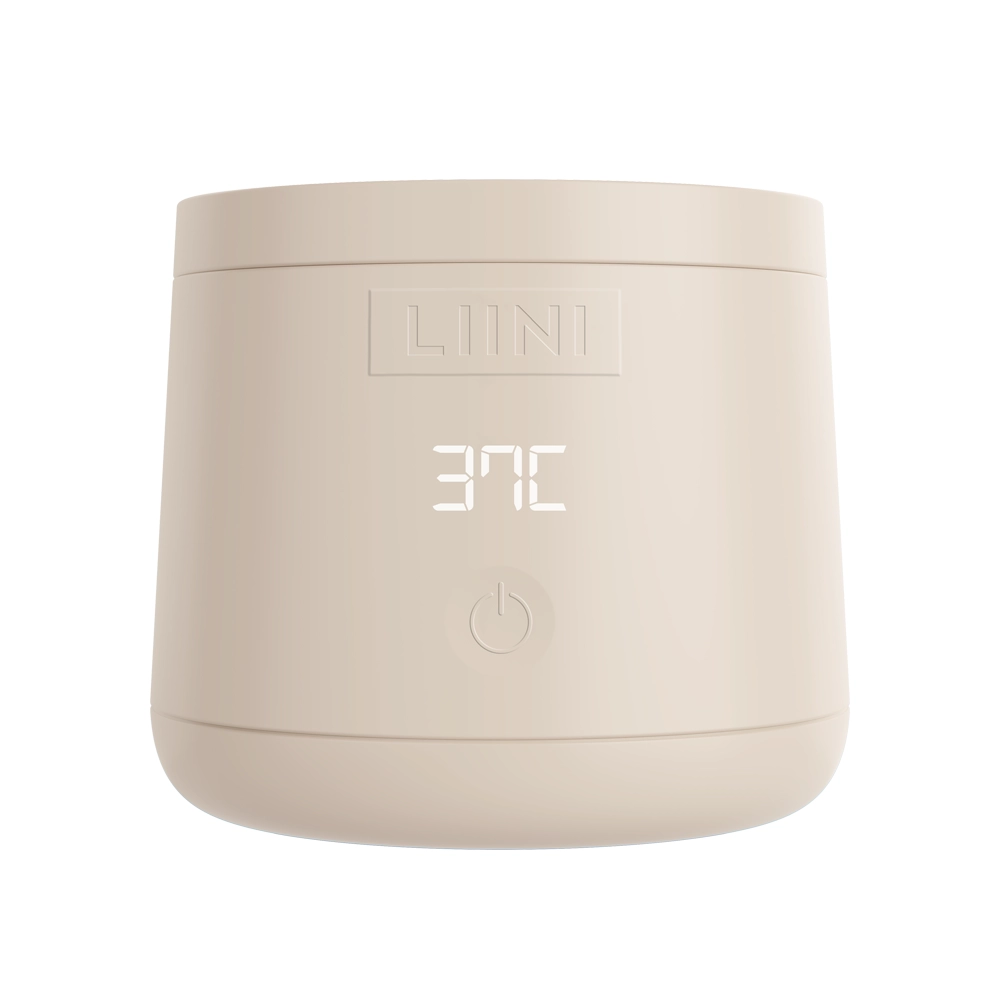
 4.0 PRObattery · on the go
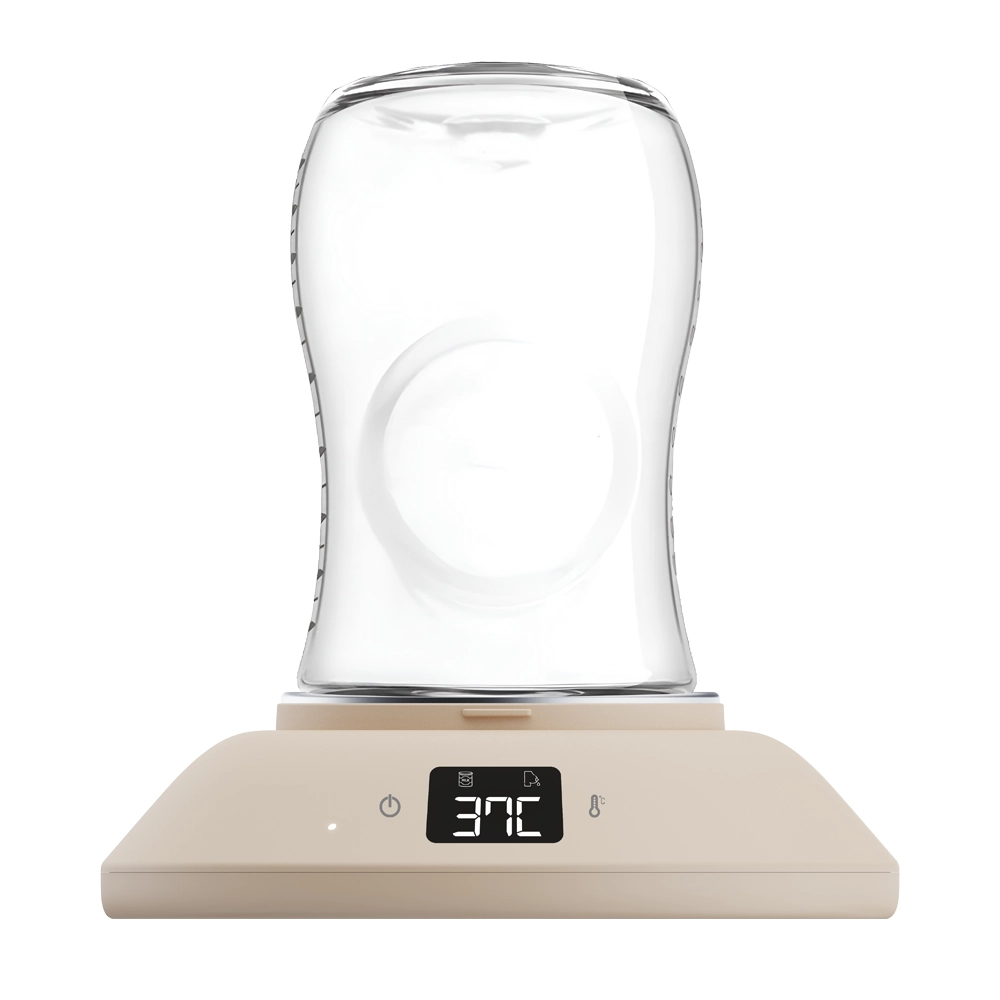 Home 230Vfor home
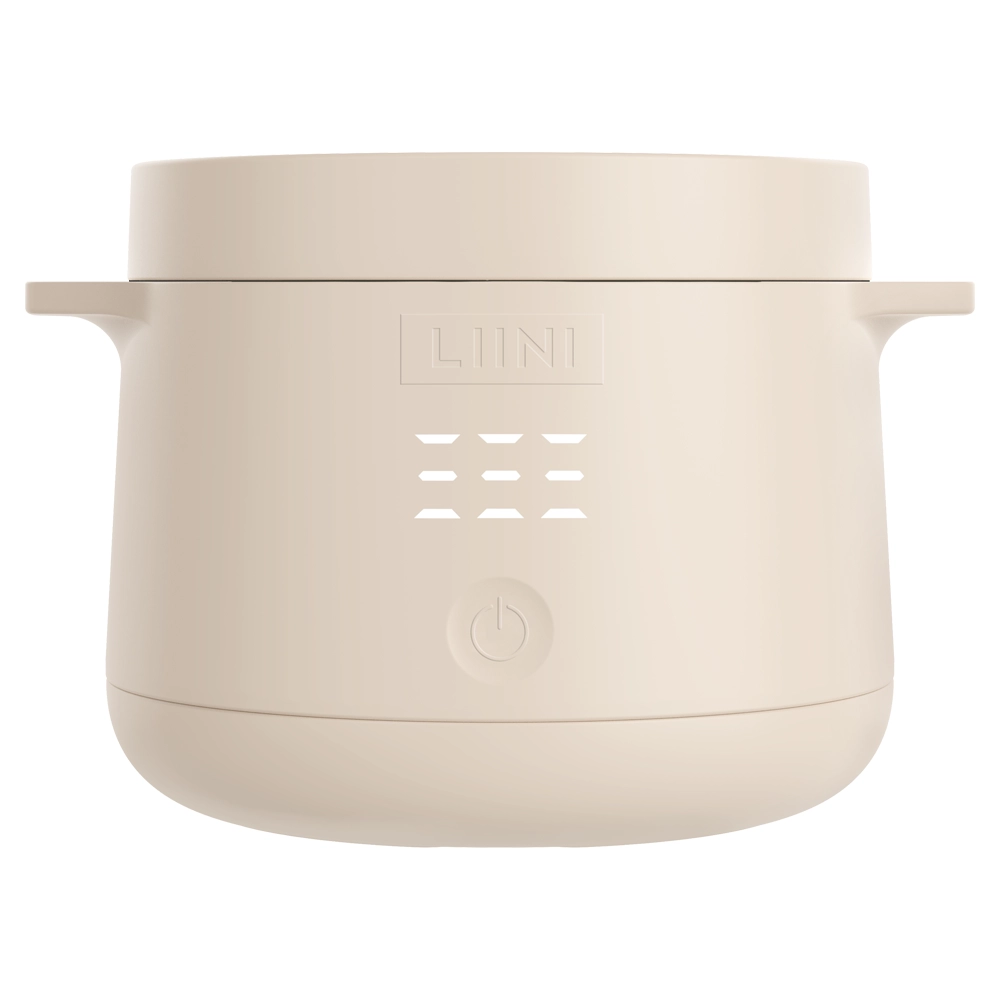 Baby food warmersfrom 6 months
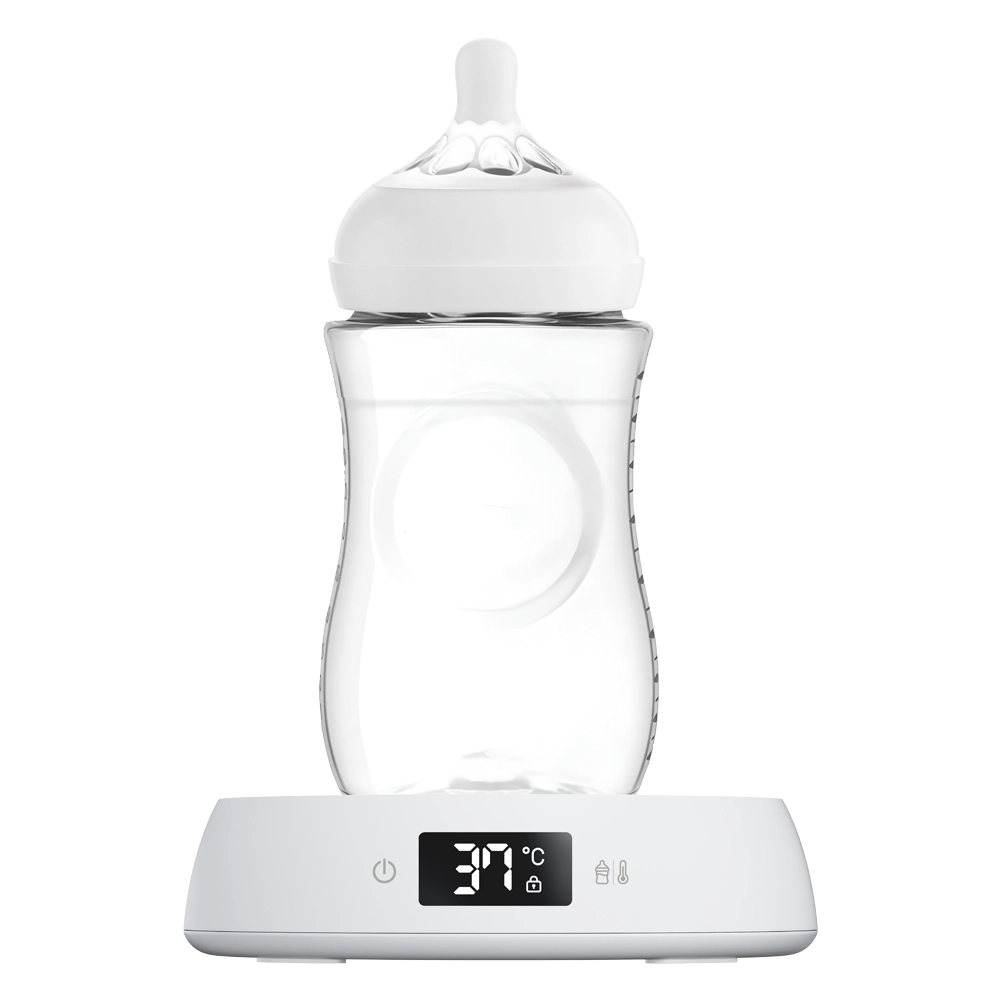 Night Stationfor the night




 Cleaning Wipes Monthly Pack
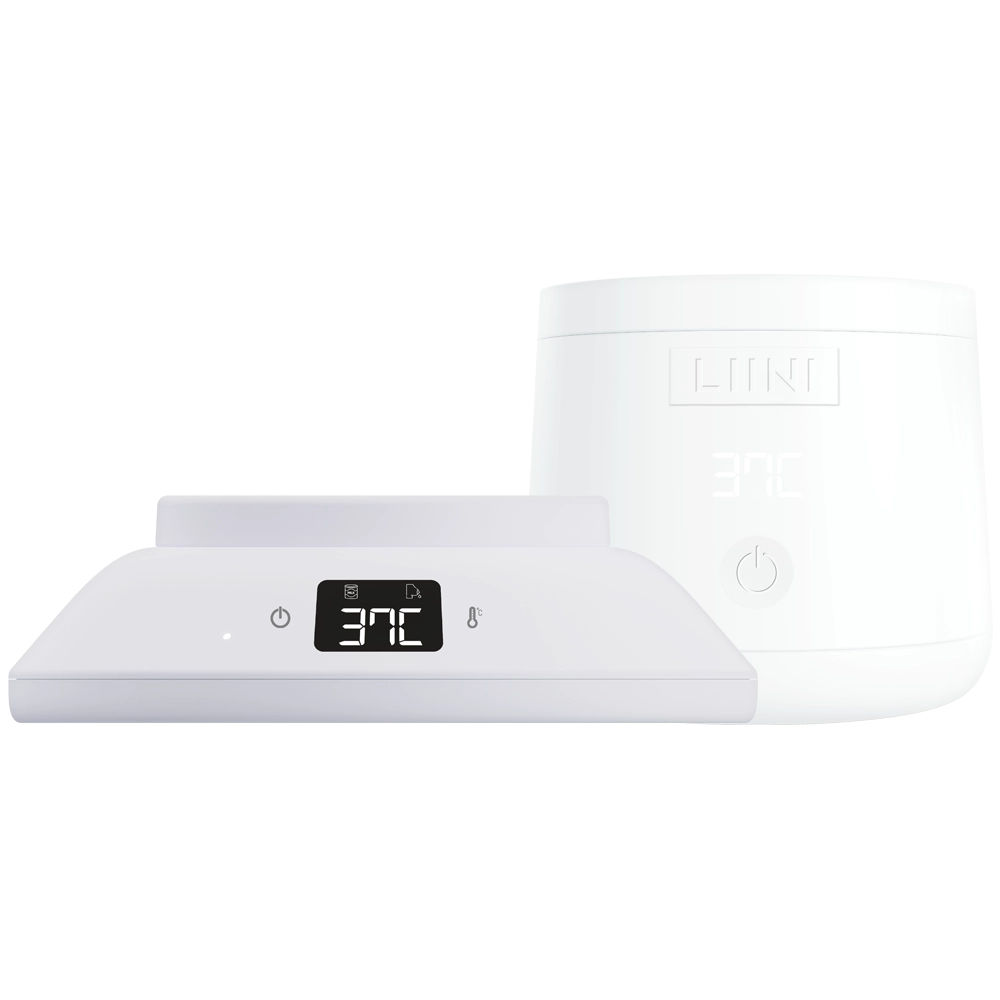 Home & 2Go Bundle
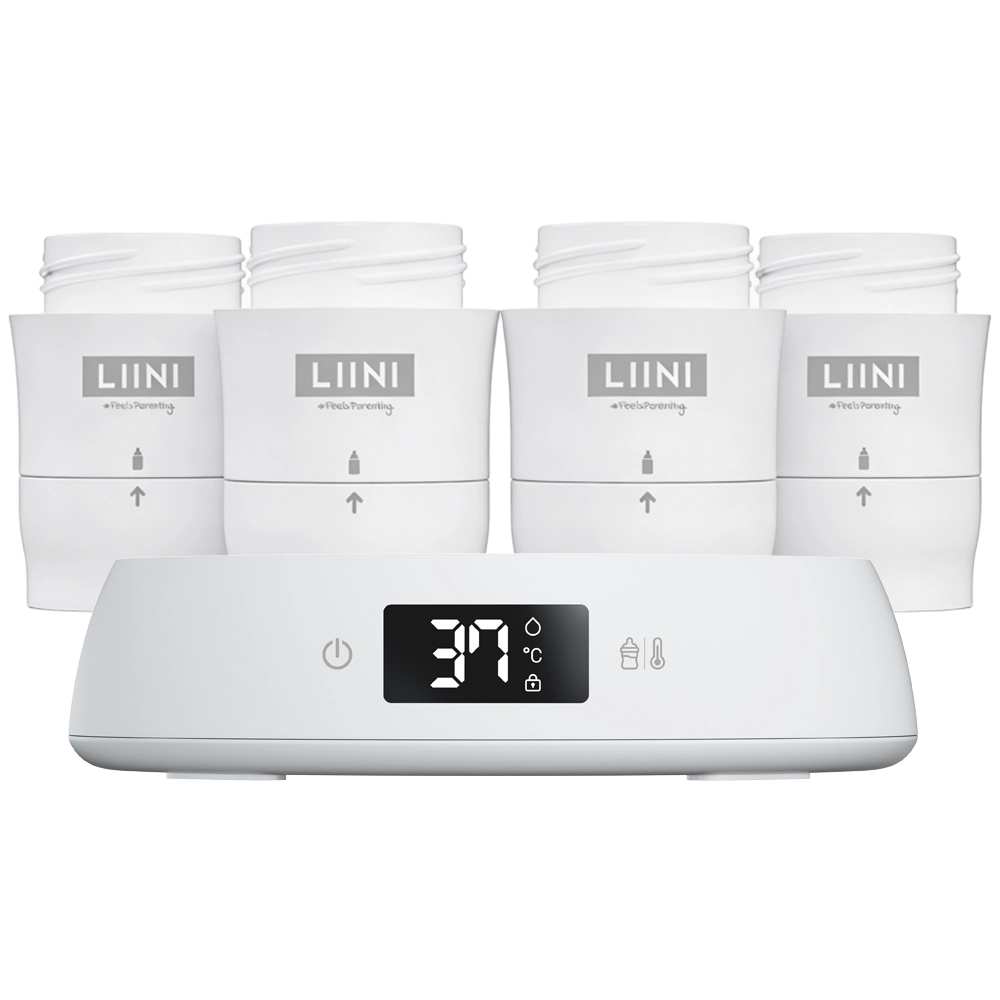 Formula Dispenser Avent
 Baby Bottle Bundle










Baby-Led Weaning: Introducing Solid Foods Without Purees
Solid Foods Without Purees: What baby-led weaning is, when it’s appropriate to start, what studies say, which finger foods are safe, and how to tell the difference between gagging and choking.
Contents
In short
With baby-led weaning (BLW), your baby eats with their fingers from the very beginning instead of being spoon-fed. Swiss expert organizations recommend introducing finger foods no earlier than 7 months of age, once your baby can sit upright steadily and bring food to their mouth on their own. Offer soft, finger-sized pieces, include iron-rich foods, and never leave your baby alone while eating. Experts generally recommend a combination of purees and finger foods; taking a first-aid course for toddlers will give you added peace of mind.
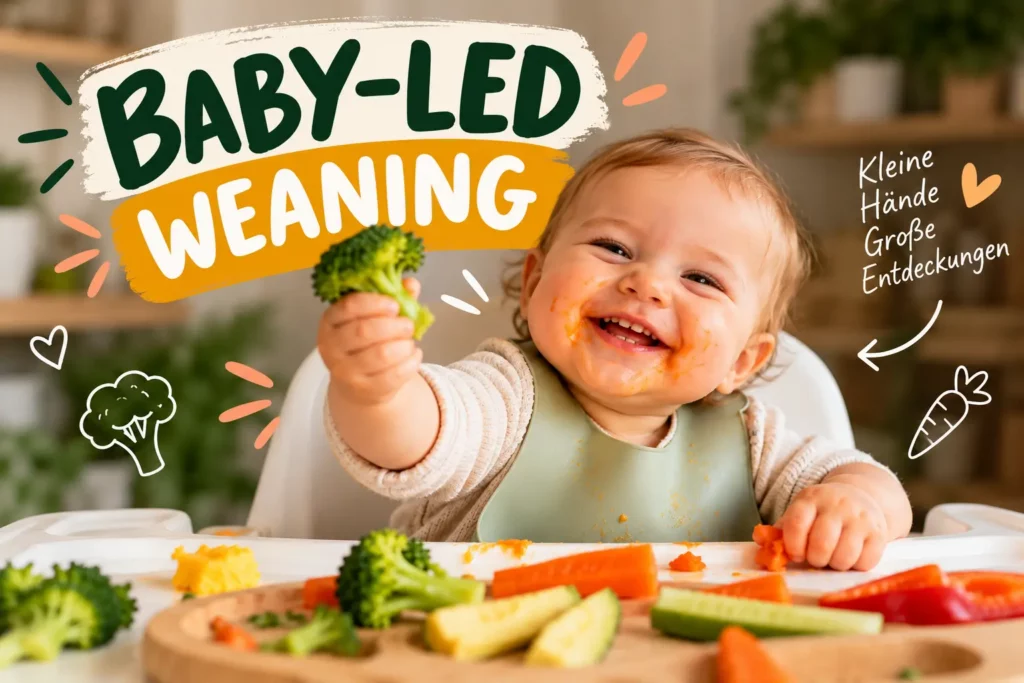
Baby-led weaning, or BLW for short, means “baby-led introduction to solid foods.” Instead of pureed food from a spoon, your baby gets finger foods and decides for themselves what and how much to eat. Here you’ll learn when it’s appropriate to start, what studies and experts say about it, how to tell the difference between gagging and choking, and which foods are safe.
What is Baby-Led Weaning?
The method was developed by midwife Gill Rapley, according to the German network “Gesund ins Leben.” Your baby sits at the table during meals, helps themselves to food, and eats with their fingers. According to the handbook published by the Swiss Society for Nutrition (SGE), the baby is given the same foods as the rest of the family, cut into bite-sized pieces and without salt, sugar, or foods that could pose a choking hazard.
Breast milk or infant formula remains important during the first year. According to the Federal Office for Food Safety and Veterinary Affairs (BLV), the initial focus is on getting acquainted; your baby will continue to get full from milk. In practice, many families combine baby food and finger foods. Several expert organizations also recommend this hybrid approach.
When to Start Baby-Led Weaning? The Prerequisites
In Switzerland, you should start introducing solid foods no earlier than the beginning of the 5th month and no later than the beginning of the 7th month. However, your baby needs more dexterity for finger foods than for purees. The SGE recommends introducing finger foods no earlier than the 7th month—that is, after the 6th month—and only if your child’s motor skills are developed enough. According to the Early Childhood Counseling Service for Mothers and Fathers (Frühe Kindheit Ost), most babies are ready by 7 months. “Gesund ins Leben” provides the following figures: 85% of babies can pick up small pieces between 6 and 7 months, and by 7 to 8 months, that number rises to 96%.
Your baby is ready to feed themselves when they
- sits upright and stable, even when leaning back, and holds his head steady,
- picks up food with their hands and brings it to their mouth on their own,
- shows interest in what others are eating,
- no longer reflexively spits out food.
If you’d like to start introducing solid foods earlier, begin with purees and introduce small pieces later. “Gesund ins Leben” recommends discussing baby-led weaning with your pediatrician beforehand, especially if your baby was born prematurely or has trouble swallowing. You can find out when and how to start with purees in the guide “Solid Foods: When and How to Start.”
Pros and Cons: What Studies and Expert Organizations Say
Baby-led weaning is popular, but the body of research is limited. Here’s how expert organizations assess the key points:
| Topic | Pros | What you need to keep in mind |
|---|---|---|
| Self-determination | Your child decides what, how much, and how fast to eat (BLV). | – |
| Overweight | The risk of overfeeding may be lower (ÖGKJ). | There is no evidence of benefits regarding obesity (Gesund ins Leben). |
| Eating Habits | – | Studies do not consistently show that BLW prevents picky eating (Gesund ins Leben). |
| Iron and Nutrients | – | In one study, BLW children consumed less iron, zinc, and vitamin B12 than children fed baby cereal (SGE). |
| Energy | – | Fruit and vegetables served as finger foods provide little energy; pureed foods ensure a better supply of energy (Gesund ins Leben, BLV). |
| Choking | A review study found no higher risk than with purees or blended foods (Gesund ins Leben). | This applies only when using safe utensils and under supervision. |
The Austrian Society for Pediatrics and Adolescent Medicine (ÖGKJ) does not consider it conclusively proven that BLW provides all necessary nutrients, especially in the early stages. It considers BLW combined with pureed foods to be a good compromise. “Gesund ins Leben” also recommends offering nutrient-rich foods in bite-sized pieces in addition to baby cereal.
Choking or Swallowing? Recognizing the Difference
Gagging is normal. According to the British National Health Service (NHS), this is how your baby learns how much to chew and swallow at a time. Gagging is loud: the eyes water, the tongue pushes forward, and sometimes the baby vomits a little. Stay with your baby and watch them.
Choking is a medical emergency. If a piece of food is stuck in the airways, the NHS says the signs are subtle: Your baby can’t breathe properly, and their skin turns bluish—or, in the case of darker skin tones, their lips, gums, or nails. The German Federal Office for Consumer Protection and Safety (BAG) also lists pallor, excessive drooling, and frequent coughing as signs.
Warning
If your baby is having trouble breathing, is unresponsive, or is turning blue: Call 144 immediately (112 in Germany and Austria) and administer first aid.
The best way to learn the proper techniques is to take a course. In Switzerland, Samaritan associations and the Swiss Red Cross offer courses on “Emergencies Involving Young Children,” which cover topics such as airway management and CPR for children. The NHS also recommends first-aid courses. It’s best to take the course before you start serving finger foods.
Finger Foods for Babies: Safe Foods and Shapes
Three basic rules always apply: According to the NHS, your baby should be sitting awake and upright in a high chair and should never eat unsupervised. The pieces should be finger-sized and cooked until soft. And you should avoid salt, sugar, and honey.
| Classification | Food | How to Offer Them |
|---|---|---|
| suitable | Broccoli, cauliflower, carrots | cooked until tender, cut into finger-sized pieces |
| suitable | ripe banana, peeled peach, seeded melon | cut into pieces that fit comfortably in the hand |
| suitable | boiled potatoes, later bread crusts or bread without seeds | as sticks; rice cakes only occasionally (arsenic) |
| adjust | Grapes, cherry tomatoes, berries, cherries | Cut into quarters; pit the cherries beforehand |
| adjust | Apple, raw carrot | sauté until tender or grate finely |
| adjust | Lentils, chickpeas, beans | cooked until tender and mashed |
| adjust | Nuts, peanuts, seeds | finely ground only |
| adjust | Fish, meat | Remove all bones and spines |
| avoid | Whole nuts, popcorn, candy, bread with seeds, crackers | Choking hazard |
| avoid | Honey, salt, sugar | Honey should not be given until age 1 due to bacteria |
| avoid | raw eggs, raw fish, raw milk, soft cheese | Germs |
The BLV recommends giving only ground nuts to children until their third birthday, while the NHS advises against giving whole nuts until their fifth birthday.
Iron-Rich Foods in Baby-Led Weaning
According to the BLV, to ensure your baby gets enough iron, they should start eating small amounts of meat regularly by the 7th month at the latest. This is the biggest challenge with BLW, because, according to the Austrian Society of Pediatrics and Adolescent Medicine (ÖGKJ), iron-rich foods are often harder for babies to eat. If your baby just sucks on a piece of meat, they’ll get hardly any iron, warns the German Professional Association of Pediatricians and Adolescent Medicine Specialists. These foods can help:
- Meat: finely chopped into soft meatballs or in a sauce. According to the ÖGKJ, such preparations are usually well-received.
- Fish: boneless, such as salmon, which the BLV recommends for its omega-3 fatty acids.
- Eggs: thoroughly cooked, such as hard-boiled.
- Legumes: lentils or beans, cooked until soft and mashed.
- Whole grains: for example, rolled oats as soft porridge.
Add vegetables or fruits rich in vitamin C. According to the SGE, this improves the absorption of iron from plant sources.
Mixed Approach: Combining Puree and Finger Foods
This hybrid approach combines both: Your baby explores pieces with their hands, and the puree helps ensure they get enough iron and energy. Here’s an example for everyday life:
- For lunch, vegetable puree with meat served with a spoon, along with soft pieces of vegetables for your child to pick up on their own.
- For family meals, have an unsalted portion cut into pieces, which you set aside before seasoning.
- Continue giving milk as needed, just as before.
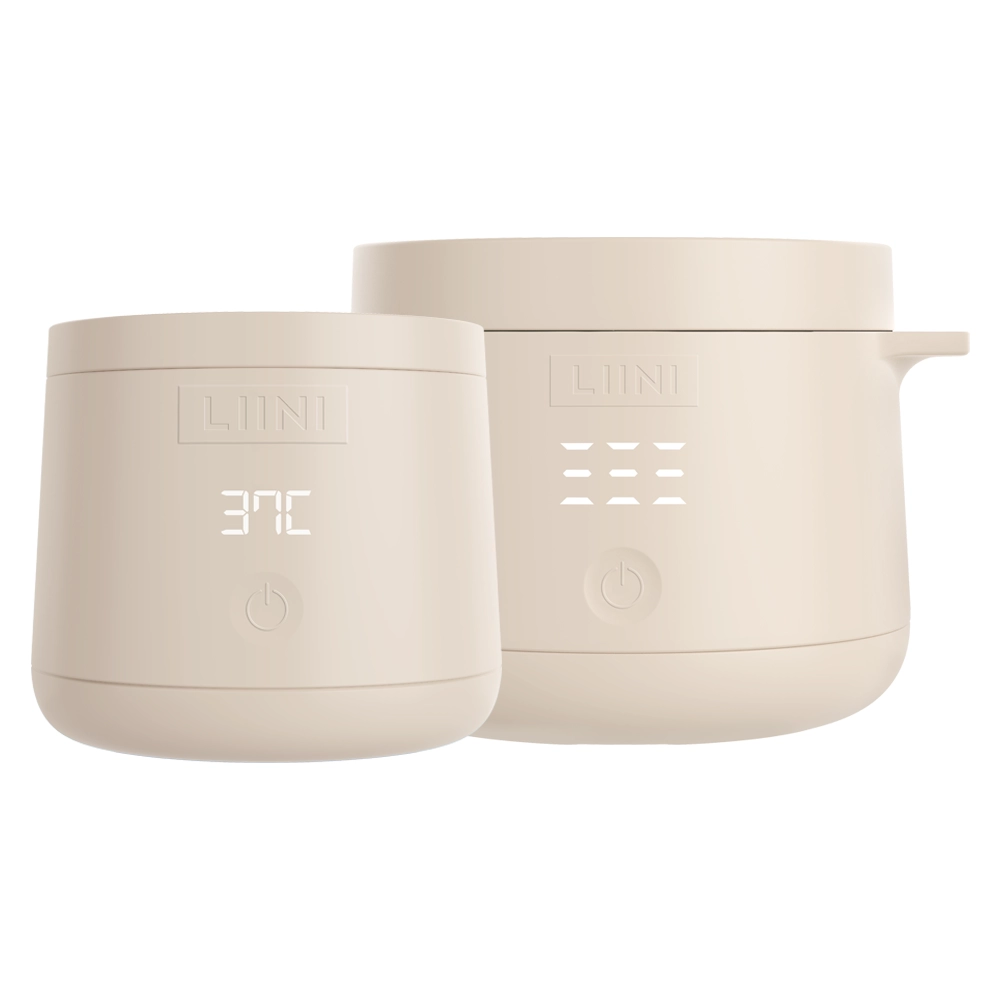
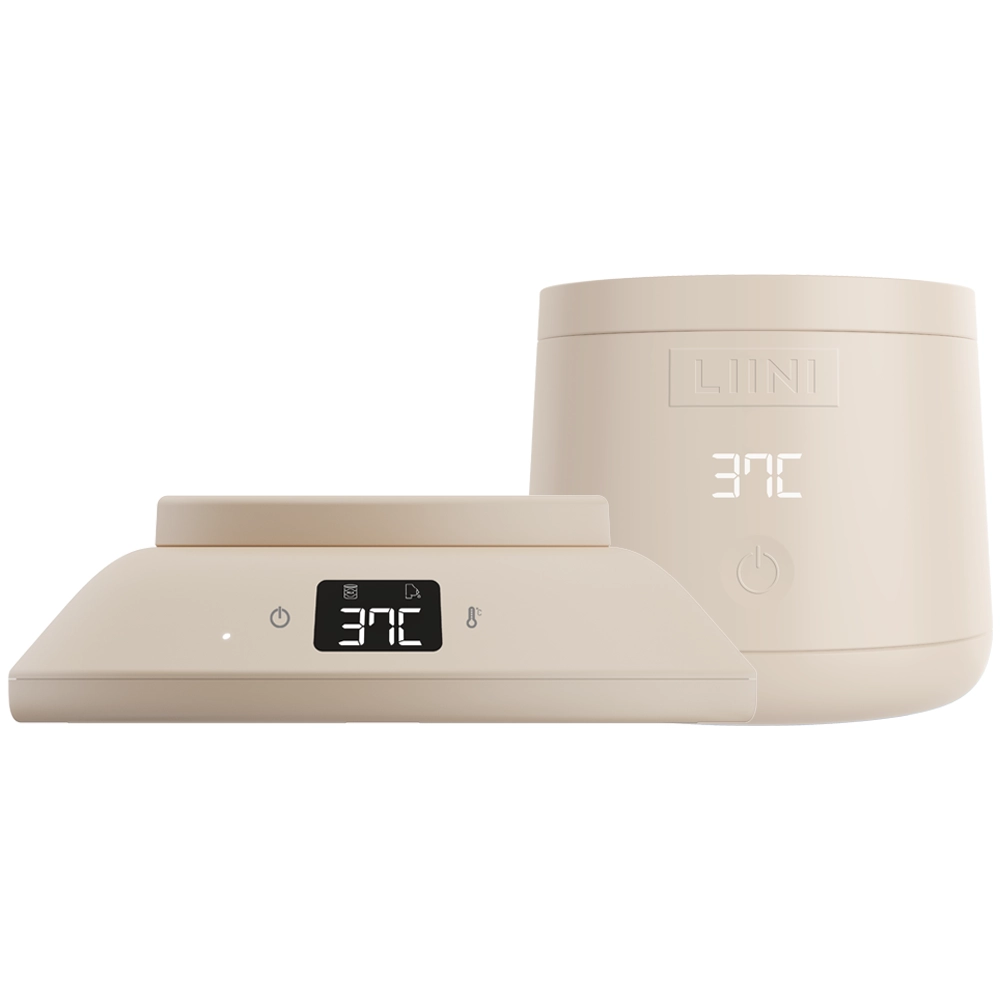
You can find out how to prepare and freeze iron-rich baby food in the guide “Making Your Own Baby Food.” When you’re on the go, pack a container of baby food and a few pieces in your cooler bag. You’ll only need a portable food warmer for the baby food; your baby can eat finger foods cold or at room temperature. For more tips, see “Warming Up Baby Food on the Go ” and the “Checklist for the Diaper Bag.”
First Week: Checklist
- Signs of maturity assessed: sits steadily, grasps objects, brings food to the mouth
- Completed the “Emergencies in Toddlers” course
- High chair in which your baby sits upright
- 2 to 3 soft, finger-sized foods prepared
- One iron-rich meal planned for every day
- Introduce new foods only after a few days
- Water in an open cup with the meal
- Set aside a portion for the baby before adding salt
- Bib and wipeable mat ready
- Set aside time: your baby never eats alone
Frequently Asked Questions
When can I start baby-led weaning?
According to the SGE, no earlier than the 7th month of life—that is, after the 6th month. Your baby should be able to sit up steadily, pick up food, and bring it to their mouth on their own. According to the Parenting Counseling Service, most babies are ready by 7 months.
Will my baby get enough iron with BLW?
That’s the biggest concern. In one study, BLW babies consumed less iron than babies who were fed baby cereal. Offer iron-rich foods every day, such as finely chopped meat, fish, eggs, or legumes. If you’re unsure, your pediatrician can help.
Is baby-led weaning more dangerous than baby food?
A review study has so far found no higher risk of choking than with purees or blended foods. The key is to offer safe foods, avoid whole nuts and grapes, and never leave your baby alone while eating.
What should I do if my baby gags while eating?
According to the NHS, choking is normal and part of the learning process. Stay with your baby and watch them. If they become still, can’t breathe, or turn blue, call 144 immediately (112 in Germany and Austria) and administer first aid.
Can I combine BLW and baby food?
Yes. The ÖGKJ considers BLW combined with purees to be a good compromise, and “Gesund ins Leben” also recommends offering small pieces of food in addition to purees. This way, your baby gets enough iron and energy while still being able to explore on their own.
Can my baby eat from the family table when doing BLW?
Yes, as long as the food is appropriate. Set aside their portion before adding salt or seasoning. Honey, whole nuts, and hard raw pieces are off-limits.
Will my baby get enough to eat with finger foods?
Usually not at first, and it doesn’t have to be. Babies continue to get their fill from breast milk or infant formula. Finger foods often provide little energy, which is why combining them with baby food is practical for many families.
Sources
- Baby Food and Baby-Led Weaning: What to Keep in Mind When Introducing Solid Foods?, Netzwerk Gesund ins Leben
- Austrian Recommendations for Complementary Feeding 2022 (PDF), Nutrition Commission of the ÖGKJ
- Fact Sheet: Infant Nutrition in the First Year of Life (2024, PDF), Swiss Society for Nutrition (SGE)
- Handbook on Eating and Drinking in the First Year of Life (2018, PDF), SGE and Health Promotion Switzerland
- Nutrition for Infants and Toddlers (Brochure, 2020, PDF), Federal Office for Food Safety and Veterinary Affairs (BLV)
- Complementary Feeding: Bringing Children to the Table (Information resource in collaboration with the BLV and Health Promotion Switzerland)
- Unsuitable Foods, Kids at the Table
- Nutrition from 0 to 12 Months, Early Childhood East (Parenting Counseling)
- Complementary Feeding: Eating Right from the Start (AGES, Ministry of Social Affairs, Federation of Social Insurance Carriers)
- Choking and Gagging on Food, NHS Best Start in Life
- Preparing Food Safely, NHS Best Start in Life
- What to Feed Your Baby Starting Around 6 Months, NHS Best Start in Life
- Foods and drinks to avoid, NHS Best Start in Life
- Pediatricians: Baby-Led Weaning Can Be Harmful, Professional Association of Pediatricians (BVKJ)
- Course on Emergencies in Toddlers, Lucerne Samaritan Association (SRK)
- Course: Emergencies in Young Children, Swiss Red Cross, Canton of Aargau
- Emergency number 144 for all medical emergencies, Alertswiss, Federal Office for Civil Protection
- 112: the European emergency number, European Commission
- First Aid: Inhalation of Foreign Objects, BAG—Greater Safety for Children


