
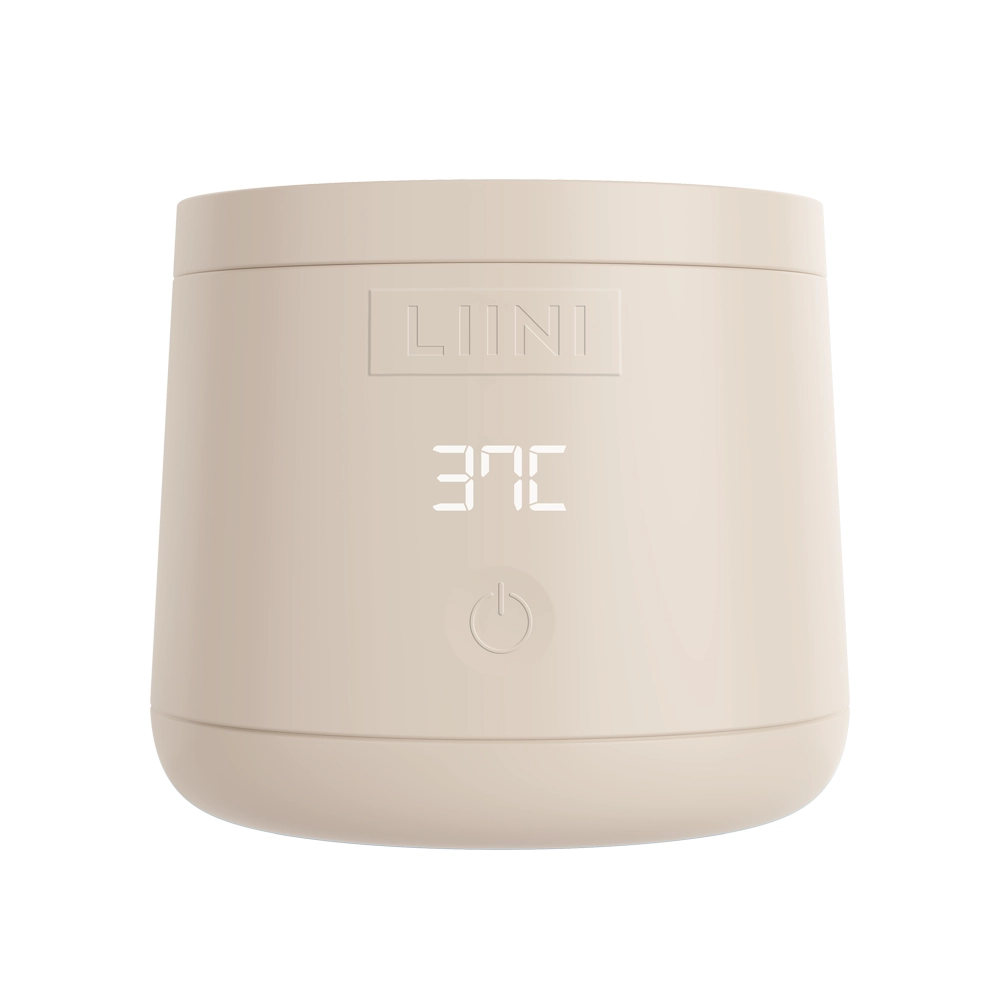
 4.0 PRObattery · on the go
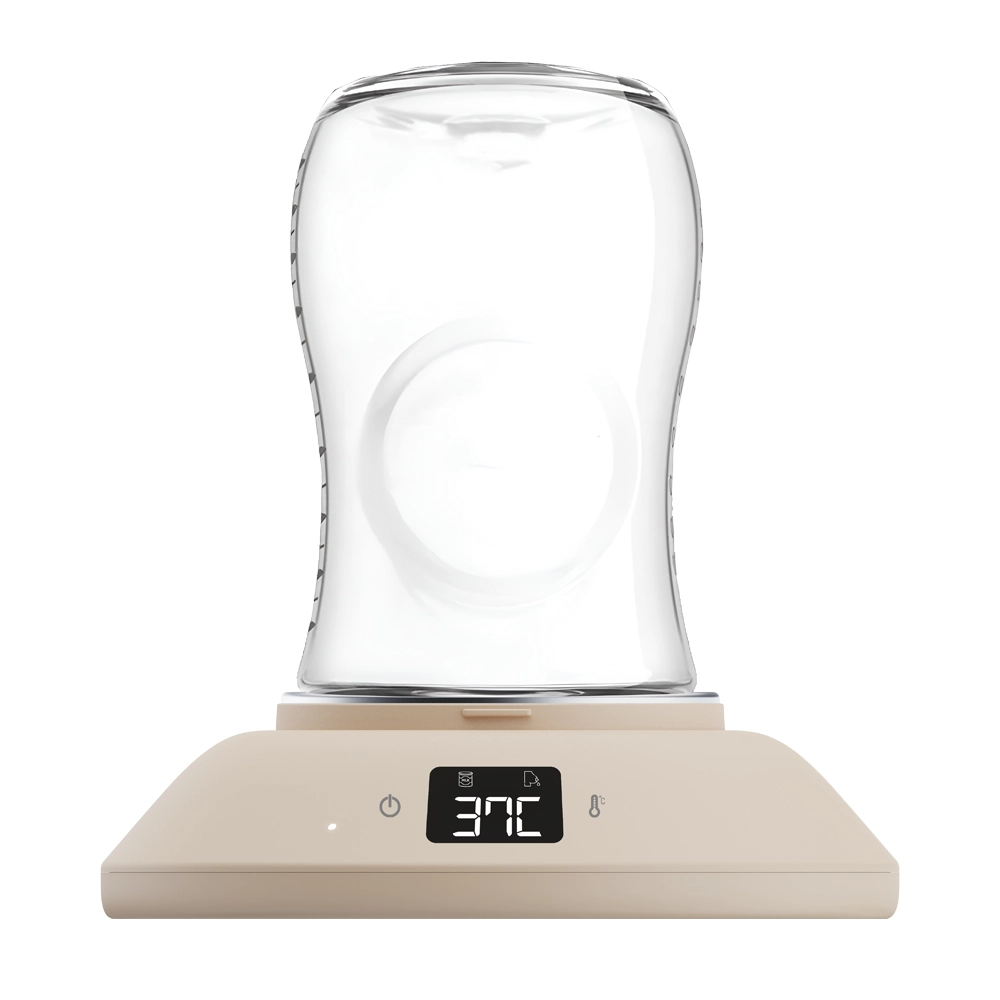 Home 230Vfor home
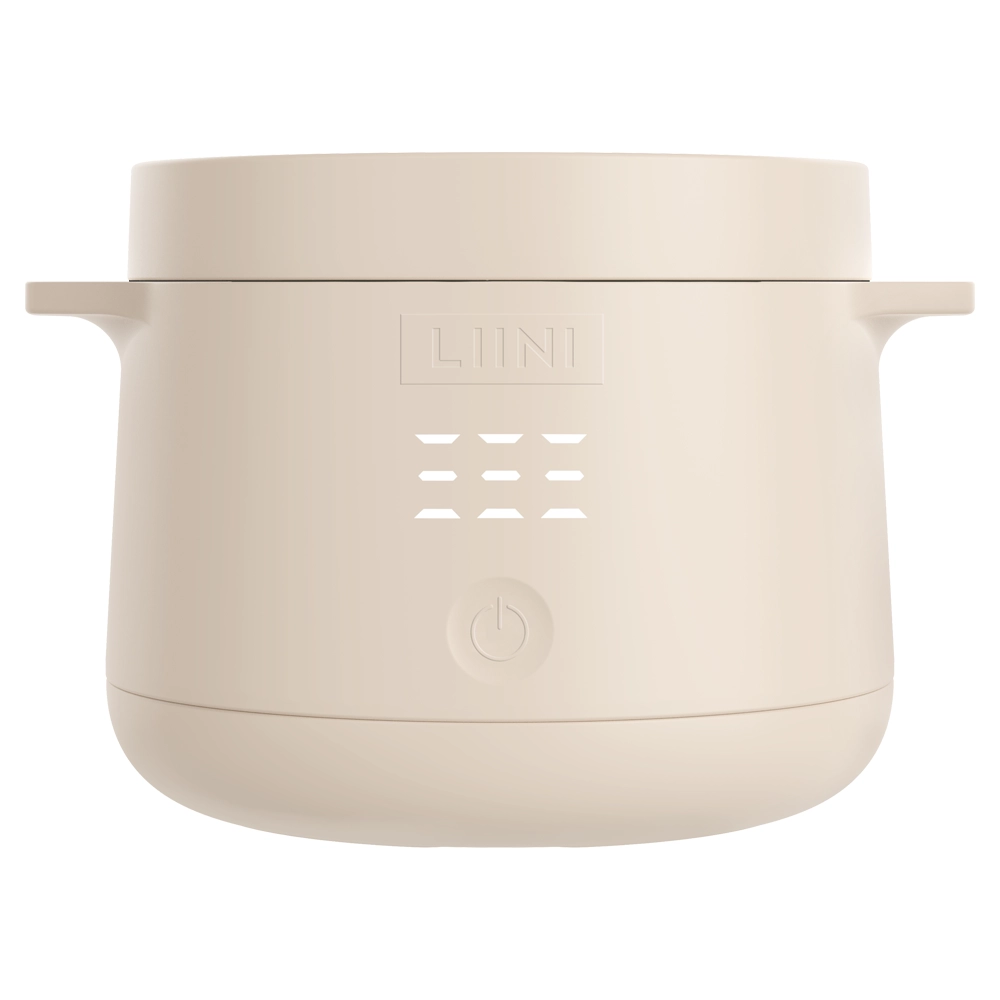 Baby food warmersfrom 6 months
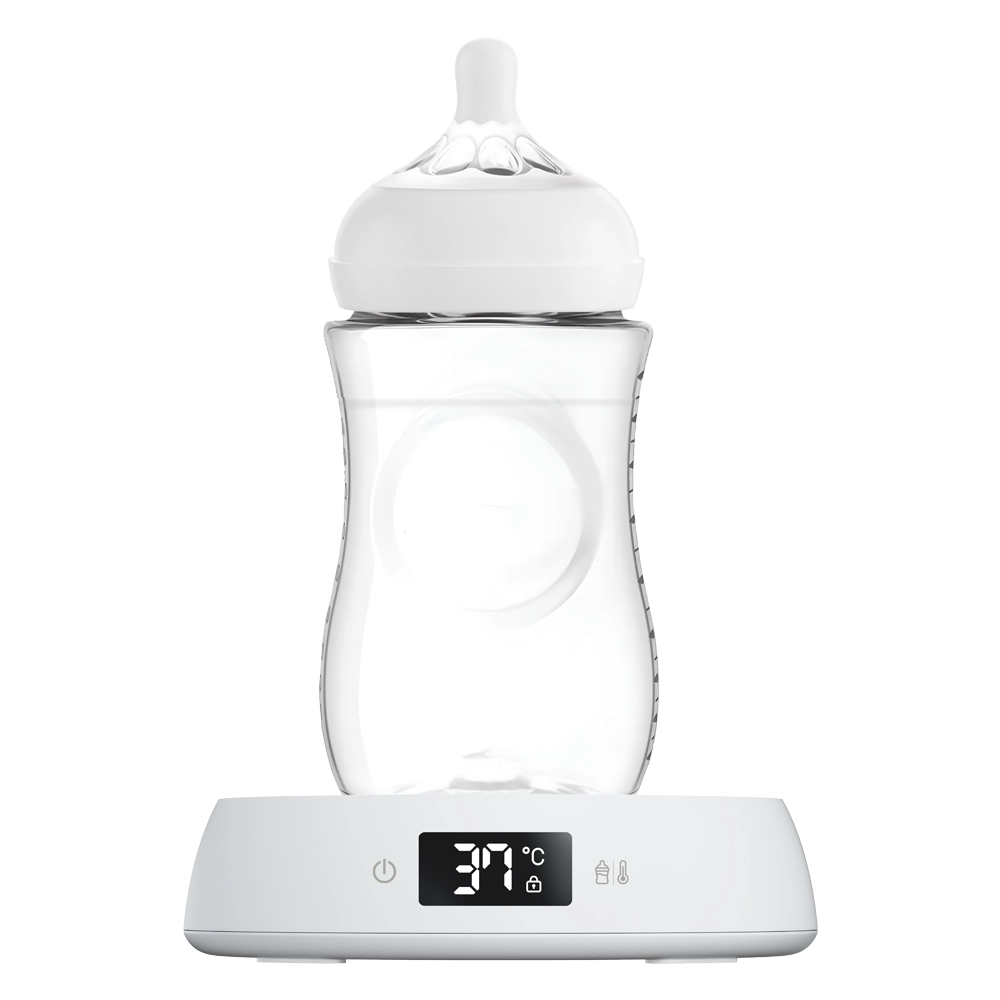 Night Stationfor the night






 Cleaning Wipes Monthly Pack
 Home & 2Go Bundle
 Formula Dispenser Avent
 Baby Bottle Bundle


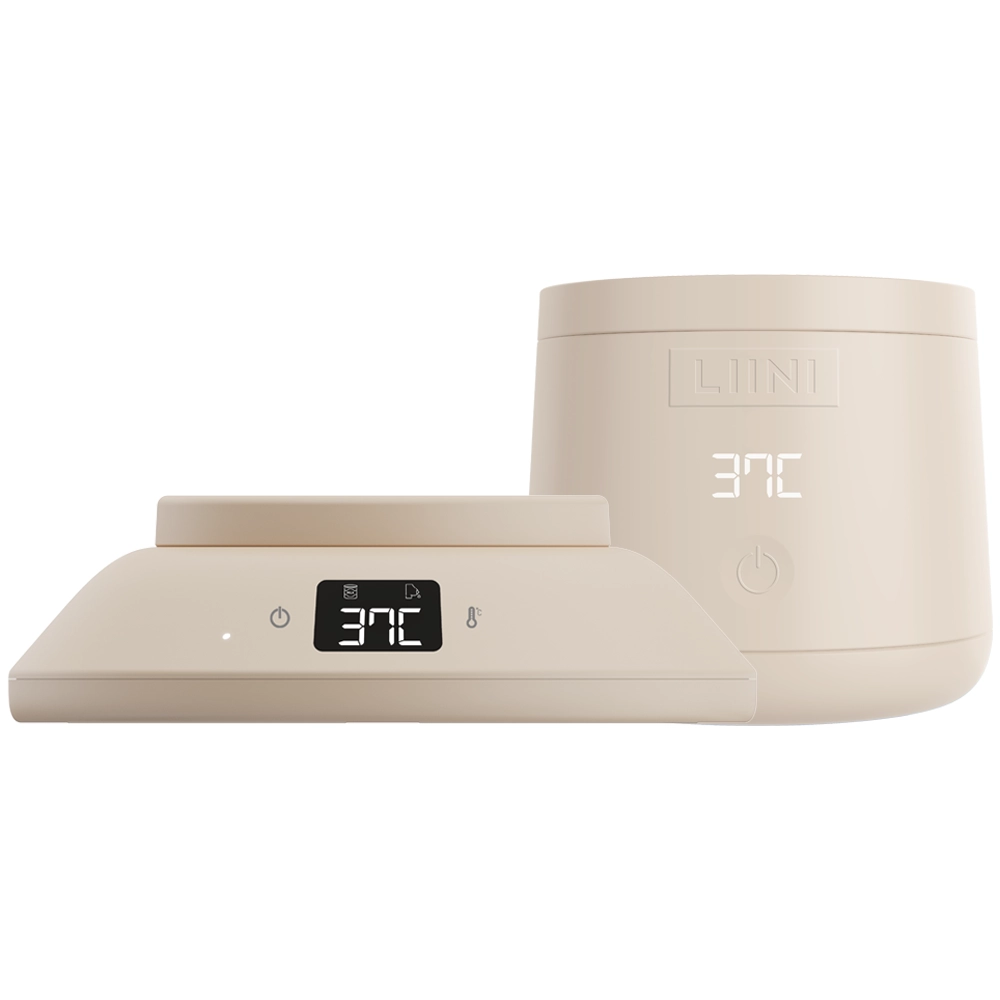
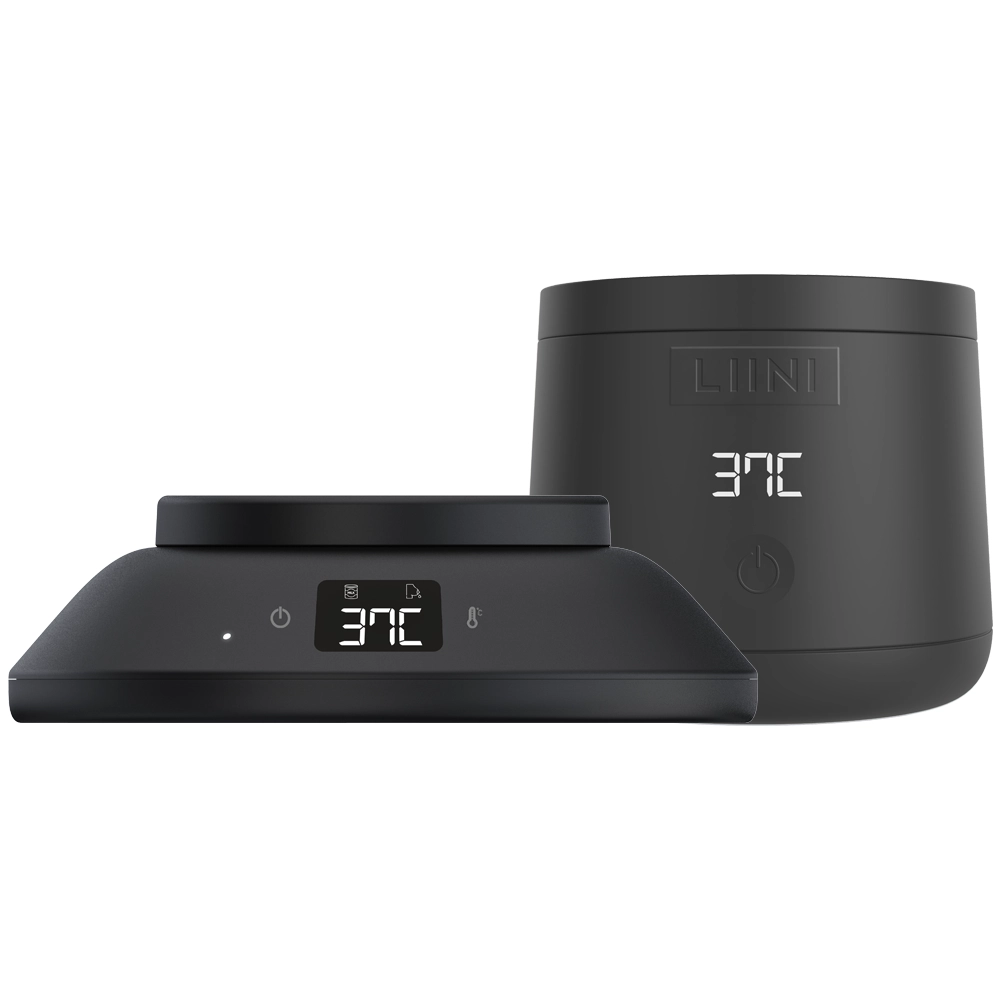
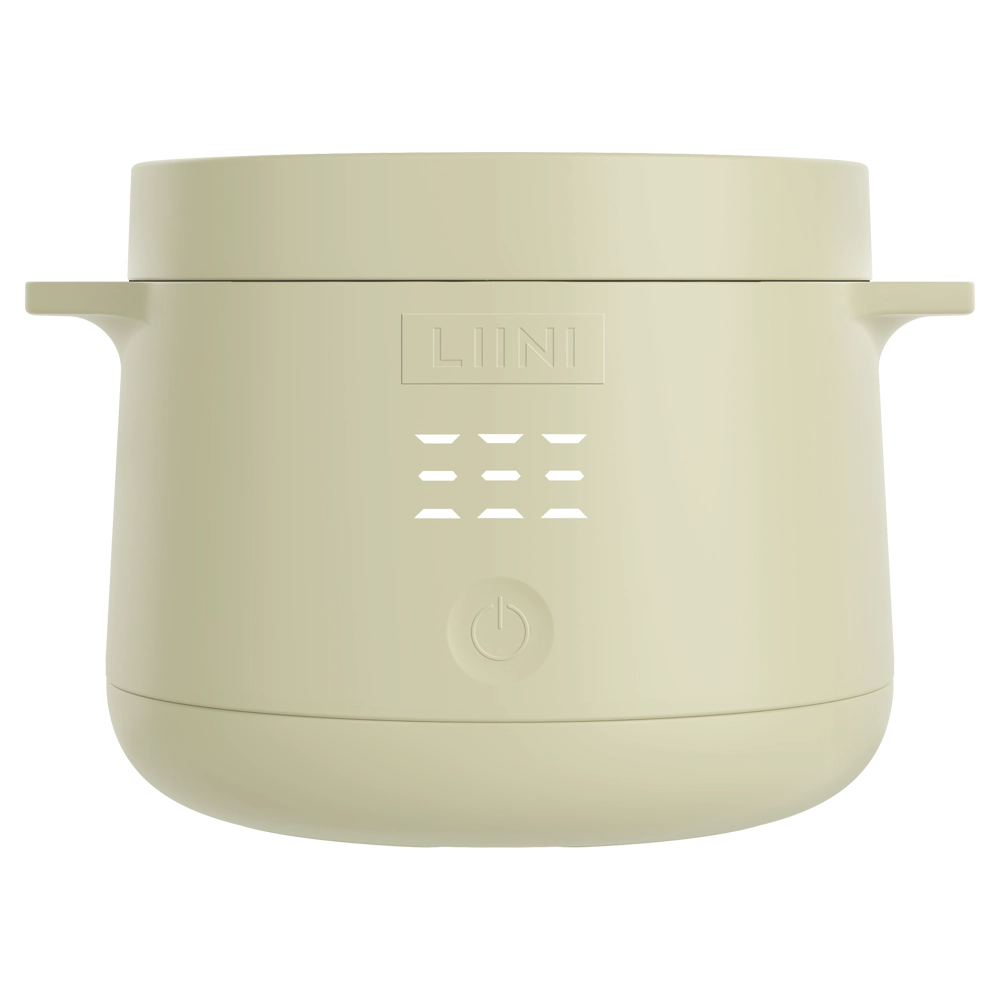
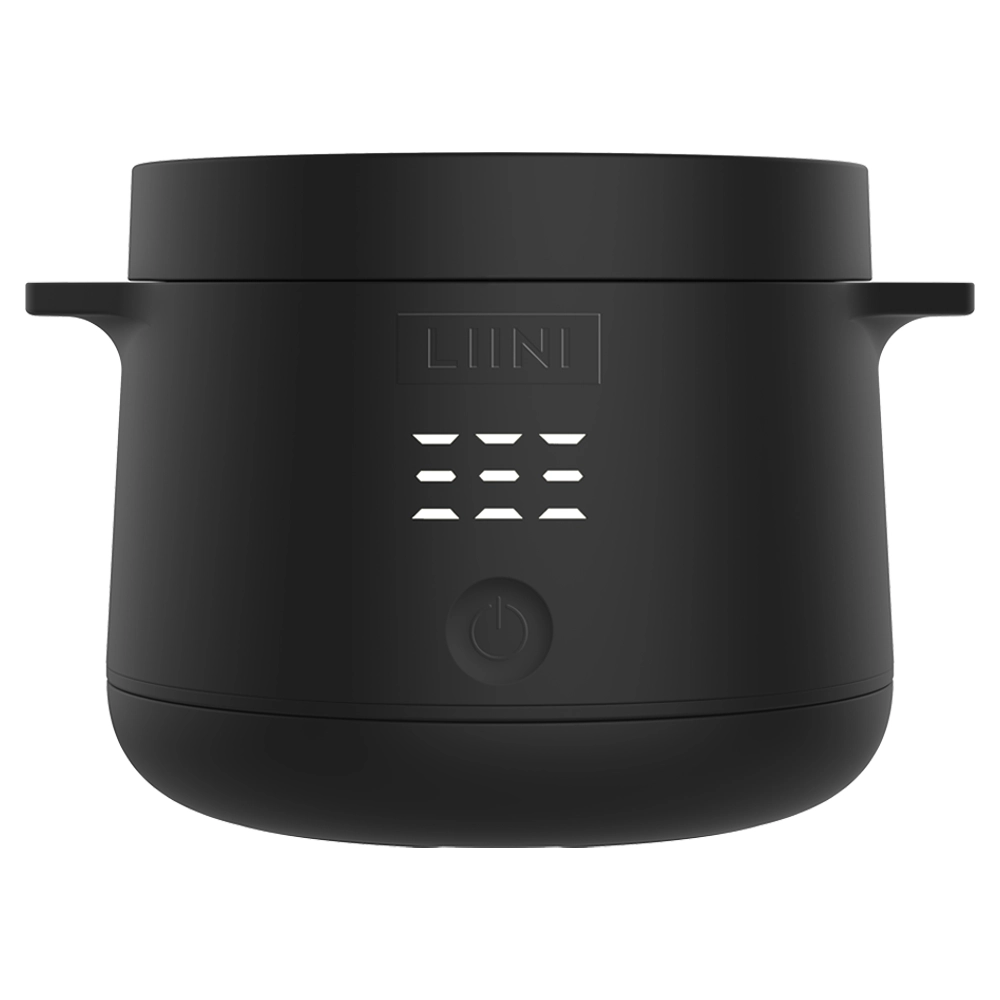











 Carrying & on the go
LIINI® Baby Carrier: Instructions, Video & Safety
Everything you need to carry your baby safely in the LIINI® baby carrier: safety, putting it on step by step, carrying video, common mistakes, cleaning and warranty.

Safety instructions
Important information about the safety of your LIINI® product.
Sogar i dirä Schproch zum abelade. Don’t understand? Yes, Swiss German sometimes sounds a bit odd. That’s exactly why we have made the safety, use and cleaning instructions available to download in your language.
GPSR
- Safety testing: All our products are regularly tested to ensure that they pose no risk to health or safety.
- Transparent documentation: We make sure that all important information about the safe use of our products is clear and easy to understand.
- Traceability: Every product carries information about the manufacturer, importer or distributor to enable seamless tracing.
You can also find all relevant safety documents as well as use and cleaning instructions collected on the GPSR page.
To the PDF documentsSafety standards and certifications
Trust is good – checking is better.
LIINI® baby carriers have all been tested to the highest safety standards and hold the relevant certifications.
- CE certified: The carriers are, of course, CE certified (EN71-3) and comply with the regulations that apply in the EU.
- SGS certified: Of course, the products have also undergone strict testing and meet the international safety standard SGS (EN13209-2).
- High-quality fabrics: All raw materials (cotton and linen) have been thoroughly tested for harmful substances and meet the applicable maximum limits for hazardous substances.

Everything you need to know before first use
Just a few more steps until you can carry your baby close to you in everyday life.
Danger
Caution: risk of falling
The baby carrier may only be worn in accordance with our manual. If the baby carrier is not put on correctly, your baby can fall out of it and be seriously injured! Please ALWAYS note the following:
- The baby carrier is only suitable for children with a minimum weight of 3.5 kg and a maximum weight of 15 kg!
- Never bend forward when carrying your baby.
- Regularly adjust the panel in the foot area to your child’s growth. This is the only way to ensure comfortable carrying – for both parents and baby.
- Make sure that the hip belt fits snugly.

Danger
Caution: risk of suffocation
Babies can suffocate in the carrier if their head is pressed too firmly against your body!
- The baby’s head must be free and able to move at all times. Under no circumstances may the head lie parallel to your body with nose and mouth facing it and thereby be covered!
- Never wear the baby carrier while lying down, e.g. on the sofa or in bed!
- Do not place cuddly blankets (known as “Nuschelis” in Swiss German) between the baby carrier and the head.
- The child must be checked on regularly while being carried.

Step-by-step instructions
How to put on the baby carrier correctly, explained step by step.
Step 1: Adjust the foot area to your baby
Adjust the baby carrier to your baby’s size. To do this, you can simply make the panel in the foot area narrower or wider.
The panel should reach from the back of one knee to the back of the other. To check, you can spread the baby carrier out on the bed and lay your baby on it. The legs should be in a natural position and not spread apart. Adjust the carrier to your baby regularly.

Step 2: Roll the carrying belt up 2 times towards you
In the meantime, you can lay your baby down in a safe place.
For babies > 4 kg: You can skip this step and continue with step 3.
For babies < 4 kg (newborns): Now roll the carrying belt up 2 times towards your body. The outer side with the LIINI® logo must face your body.

Step 3: Position and close the carrying belt
Position the belt of the baby carrier under your breasts, on your ribs. Now fasten the baby carrier with the Velcro fastener and make sure that it is fully closed.
Make sure that the baby carrier sits in the centre, no longer slips and that you feel comfortable while carrying.

Step 4: Place your baby on your chest / shoulder
Now you can place your baby on your chest and let them sink into the baby carrier.
The baby’s back should be slightly rounded and the baby’s bottom should sit lower than the knees, to shift the weight into the carrier and take pressure off the backs of the knees.
Danger
Rest the head sideways
The baby’s head must rest to one side at all times and under no circumstances may the nose and / or mouth face your body (risk of suffocation).

Step 5: Cross the shoulder straps at your back
Now hold the baby carrier firmly at the head area with one hand while you cross the shoulder straps at your back.
Danger
Always hold your baby
While you cross the straps over your shoulders, your baby must be secured with one hand at all times! Under no circumstances may the baby be let go!

Step 6: Close the baby carrier
Now close the baby carrier with the click buckles on both sides. Pull the straps tight behind your back – use your left hand to pull the right strap and your right hand to pull the left strap.
Your baby’s back must remain rounded. Do not pull the straps too tight under any circumstances – otherwise your baby will feel uncomfortable.

Step 7: Roll up and secure the shoulder ties
So that the shoulder ties do not get in the way while you are carrying, you can roll them up and secure them with the elastic band attached to them.

Step 8: Check the fit of the baby carrier
Make sure that the baby carrier fits snugly everywhere, that the hip belt is fully closed and that the shoulder straps at your back were not twisted when crossing them.

Step 9: Optional: fold up the headrest
If your baby is asleep or cannot yet support their head themselves, you can fold up the headrest with its integrated padding.
To do this, release the elastic tabs on the side buttons, fold up the headrest and fasten it to the upper buttons of the carrier on the left and right. Support your baby’s head while you fold up the headrest.

Step 10: Do the kiss test
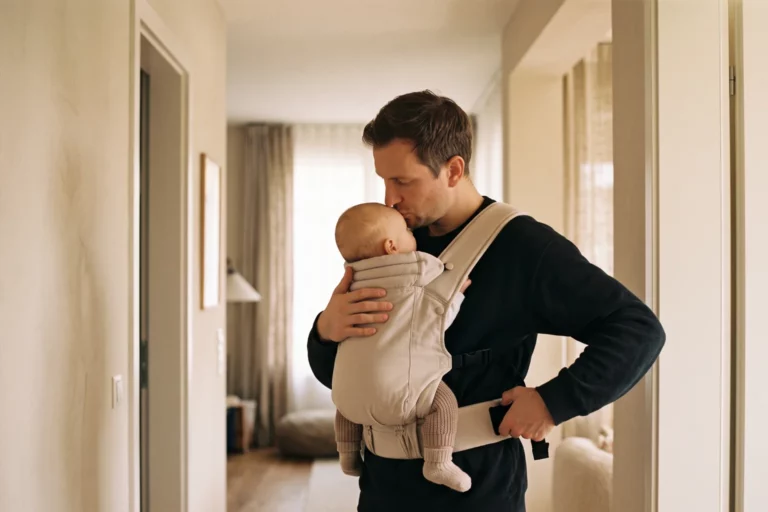
Your baby is sitting correctly if you can kiss their head without straining your neck. To avoid pressure points from the carrier, the baby’s bottom and legs should form an “M” when seen from the side.

Carrying instructions video
Explained step by step in the video.
Wearing the baby carrier correctlyThe video explains step by step how Olivia carries her son John in the LIINI® baby carrier. Always follow our safety and carrying instructions.
If anything is unclear, you can contact us at any time at www.LIINI.ch/support.
Common mistakes when carrying
Avoid these mistakes so that your baby feels comfortable in the carrier.
Legs and bottom do not form an “M”
Why is the M position so important?
When you carry your baby in a carrier, make sure that their legs and bottom form an M shape. This position is essential for the healthy development of your baby’s hips.
- Natural posture: Your baby was born with bent and spread hips. This natural posture should be supported in the first months of life to ensure healthy development. The M position, in which the knees are higher than the bottom, imitates this natural posture.
- Protection against hip dysplasia: Straight legs can increase the risk of hip dysplasia. This malformation of the hip joint can later lead to problems with walking. The M position helps to position your baby’s hip joints correctly.
- Even weight distribution: This position distributes your baby’s weight evenly and avoids pressure points, which is more comfortable for both of you.
- Support for the spine: Babies initially have a natural C-shaped spine. The M position supports this shape and promotes healthy spinal development.
- Promoting bonding: This posture allows your baby to face you, which strengthens the emotional bond and makes it easier for you to respond to their needs.

Unnatural posture of the baby
When carrying your baby in a carrier, pay particular attention to keeping their spine slightly rounded. This posture is essential for supporting your baby’s natural posture and development.
- Natural spine shape: Newborns have a natural C-shaped spine. You should support this shape through the right posture in the carrier to promote the natural development of the spine.
- Preventing damage: An unnaturally stretched or excessively curved spine can lead to long-term damage. A slightly rounded posture in the carrier helps to minimise the risk of such problems.
- Ergonomic carrying comfort: A slightly rounded spine position allows an ergonomically correct posture that is comfortable for both the baby and the person carrying.
- Better support and safety: This posture also ensures that the baby sits securely and stably in the carrier, which increases safety while carrying.
- Promoting healthy development: Supporting the natural C shape of the spine is important for your baby’s overall physical development and well-being.

No headrest for newborns
Proper support for your newborn’s head in a baby carrier is essential. A headrest plays a central role here and should always be used.
- Support for neck and head: Newborns do not yet have fully developed neck muscles and cannot hold their head up on their own. The headrest provides the necessary support to stabilise your baby’s head and neck.
- Safety and protection: A well-positioned headrest protects your baby’s delicate head from jolts and sudden movements, which is especially important when you are on the move.
- Comfort for the baby: A soft but firm headrest allows your baby to take a comfortable position, which reduces the risk of discomfort and irritation.
- Avoiding overextension: Without adequate support, the baby could stretch into an unnatural position, which can lead to muscular problems in the long run.
- Promoting breathing: A well-placed headrest helps to keep your baby’s airways clear by preventing the head from tilting too far forward or backward.

Baby is carried too loosely
A common mistake when carrying babies is to hold them too loosely in the carrier. This can have disadvantages for both the baby and the person carrying, and should be avoided.
- Adequate support: A baby who is carried too loosely does not receive the necessary support for the back and hips. This can affect physical development and lead to an uncomfortable posture.
- Safety risk: If the baby sits too loosely in the carrier, there is a higher risk of slipping or moving into a dangerous position, which can seriously compromise safety.
- Restricted freedom of movement for the wearer: A loosely seated baby can cause you, as the wearer, to restrict your movements unconsciously in order to steady the baby, which in turn can lead to physical discomfort.
- Reduced effectiveness of the carrier: The benefits of an ergonomic baby carrier are undermined if the baby sits too loosely. This can impair load distribution and comfort for both the baby and the wearer.
- Disruption of bonding and communication: A baby who is carried too loosely may feel less safe and secure. This can affect bonding and the wearer’s ability to respond to the baby’s needs.

The child sits too low in the carrier
Another important aspect of carrying is how the child is positioned in the carrier. It is essential that the child does not sit too low in the carrier.
- Correct airway positioning: If a child sits too low in the carrier, this can affect the airways. A higher position ensures that the airways stay clear and the child can breathe more easily.
- Better view and interaction: A child sitting higher can take in their surroundings better and interact with you more easily. This promotes cognitive development and the bond between you and your child.
- Ergonomic benefits for the wearer: If the child sits too low, this can lead to uneven weight distribution, which in turn can cause back pain or discomfort for the wearer.
- Safety and stability: A correctly positioned child is safer and more stable in the carrier. This reduces the risk of the child slipping or moving into an unsafe position.
- Supporting the natural posture: The correct height in the carrier supports the child’s natural posture. The child should sit with a slightly rounded spine and with the legs in the M position.

Cleaning correctly
How to clean our baby carriers.
Hand wash only
To maintain the quality and durability of your baby carrier, it is essential to care for it properly. We recommend washing your baby carrier by hand only. Machine washing can damage the materials and impair the safety and comfort of the carrier.
- Fill a sink or a large bowl with lukewarm water.
- Use a mild, baby-friendly detergent that contains no harsh chemicals or fragrances.
- Immerse the baby carrier completely in the water and let it soak for a few minutes.
- Wash the carrier gently by hand. Avoid vigorous rubbing or brushing, as this can damage the material.
- Rinse the carrier thoroughly under running water to remove all soap residue. Make sure that no detergent residue is left behind.

Air dry
Correct drying is essential after washing.
- Remove excess water: Gently press the water out of the carrier without wringing it, to protect the fibres.
- Dry lying flat: Spread the carrier out on a towel and roll the towel up carefully to absorb more water. Then lay the carrier flat on a dry towel. This method helps to keep the shape of the carrier.
- Air drying: Hang the carrier up in a well-ventilated place, but avoid direct sunlight and heat sources, as these can damage the material.
- Turn regularly: Turn the carrier several times during the drying process to make sure that it dries evenly.

Carrying consultation
Not sure whether you are wearing the carrier correctly?
Free consultation
Would you like carrying advice? That is no problem. Send us a few pictures of you carrying your child. Our experts will analyse the pictures in detail and give you feedback.
Request free carrying advice now
Warranty
LIINI® stands for quality.
The products carry a warranty of 24 months in total from receipt of the order.
The warranty is excluded:
- If the defect is due to improper handling or use of the product that does not correspond to normal use.
- If the defect is due to use or fitting of the baby carrier that does not correspond to the instructions described in the manual.
- If the baby carrier has been machine-washed.
- If the defect is due to external interference (“third-party intervention”), in particular repairs and interventions by persons who have not been authorised to do so by LIINI AG.
- Normal signs of wear and tear do not give rise to a warranty claim.
LIINI AG may fulfil the warranty either by partial replacement or by complete replacement with an equivalent product.
To check a warranty claim, the customer must open a ticket in the ticket system at www.LIINI.ch/support and provide the following evidence:
- Video showing the problem
- Picture 1: front of the baby carrier
- Picture 2: back of the baby carrier
- Picture 3: close-up of the affected area (e.g. seam, buckle or fastener)
If LIINI AG finds corresponding damage to the baby carrier (e.g. damage caused by machine washing or heat sources, atypical tears or discolouration, etc.), any warranty is excluded.
By submitting the ticket, the customer confirms that all information is truthful. Should it emerge during the processing of the warranty case that warranty fraud has taken place, LIINI AG reserves the right to take appropriate legal action.
Manufacturer identification and EU authorised representative
According to the Product Safety Act (ProdSG).
Manufacturer identification & contact address
Responsible for the import and distribution of all products:
| Contact address | LIINI AG Bahnhofstrasse 21 4571 Lüterkofen |
|---|---|
| UID | CHE-131.522.878 |
| Commercial register office | Cantonal Commercial Register of the Canton of Solothurn |
| VAT ID for the EU | DE352084049 |
| Tax number at the Konstanz tax office | 09417/18455 |
| VAT number | CHE-131.522.878 VAT |
EU authorised representative
Exclusively for contact by authorities.
| EU authorised representative | Easy Access System Europe Oü Mustamäe tee 50 10621 Tallinn Estonia |
|---|
Need help?
Create a ticket with the product name and your order number.
Related guides
Carrying & on the go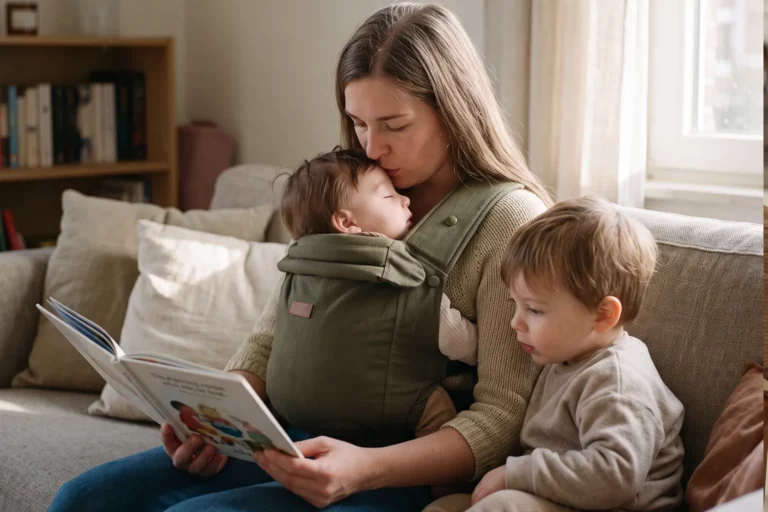 Carrying & on the go
Baby Carrier or Wrap? An Honest Comparison
Wrap, ring sling, mei tai, or comfort carrier? An honest comparison with a chart and decision-making guide: Here’s how to find the baby carrier that’s right for you. Carrying & on the go


