
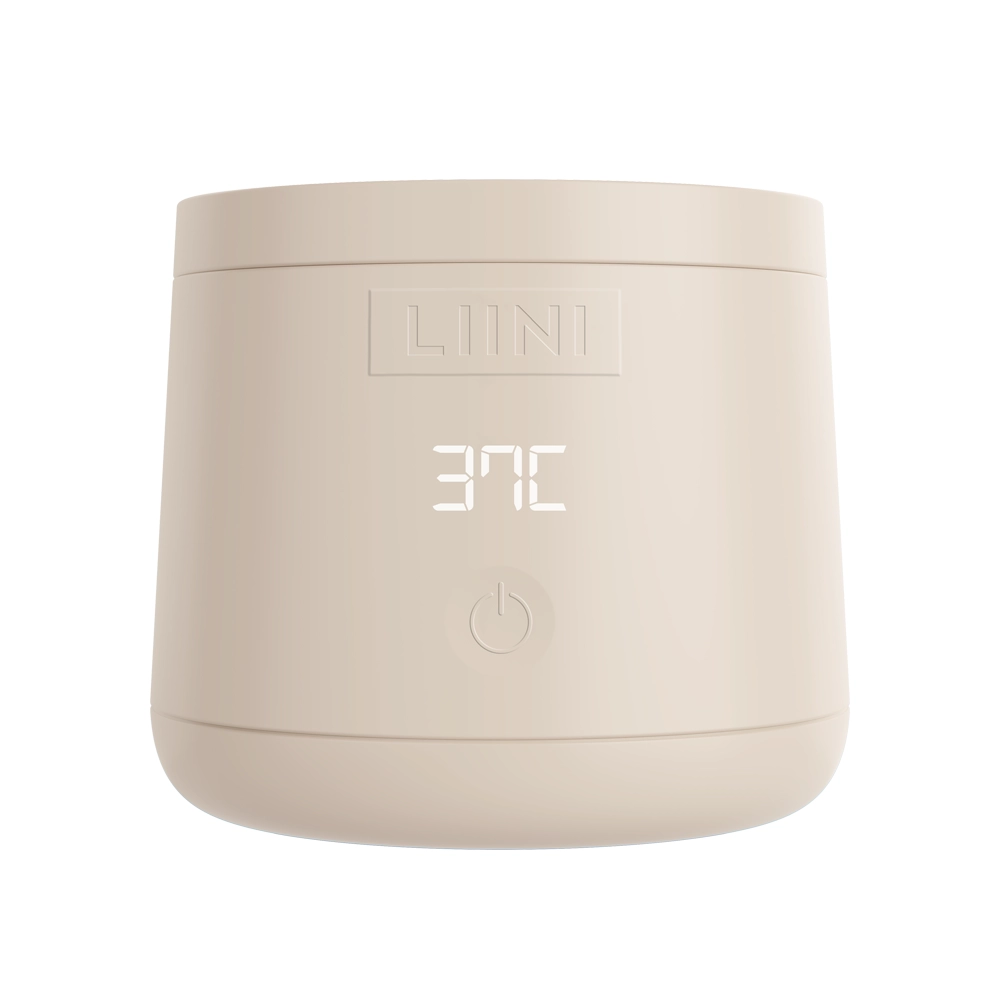
 4.0 PRObattery · on the go
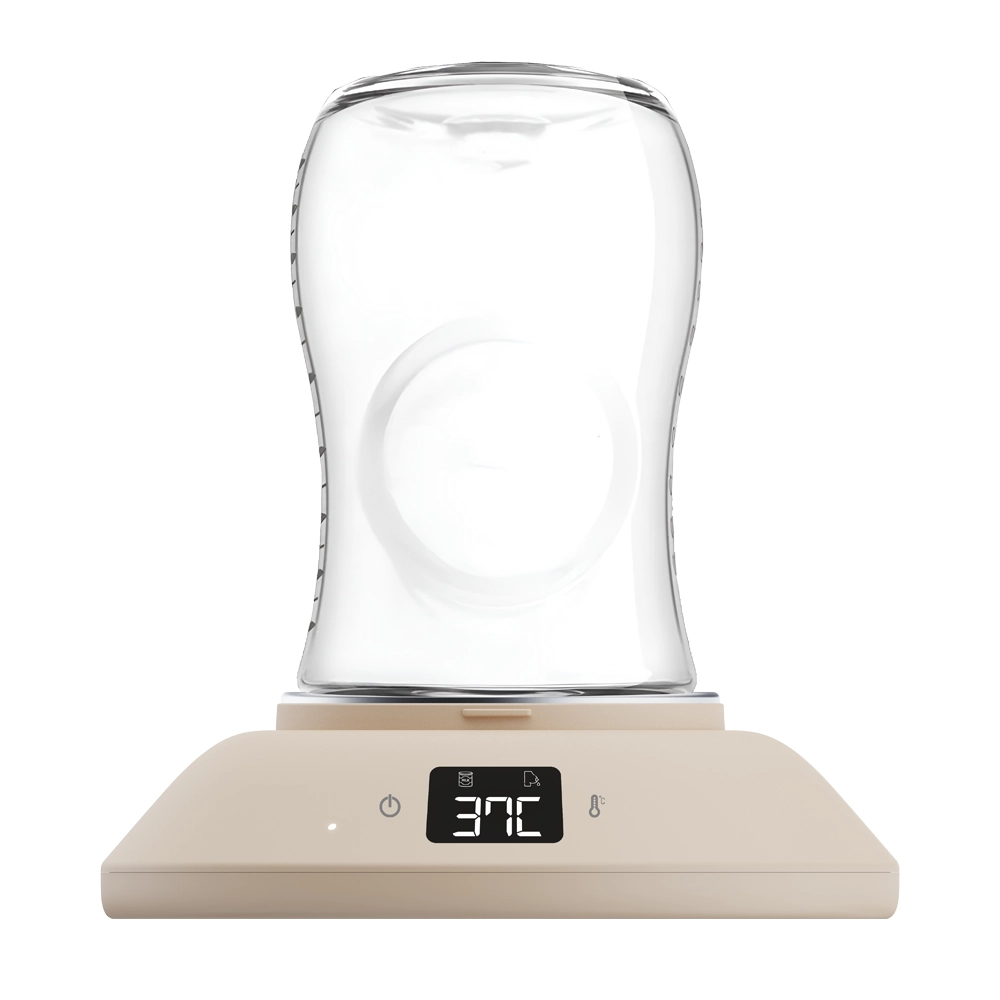 Home 230Vfor home
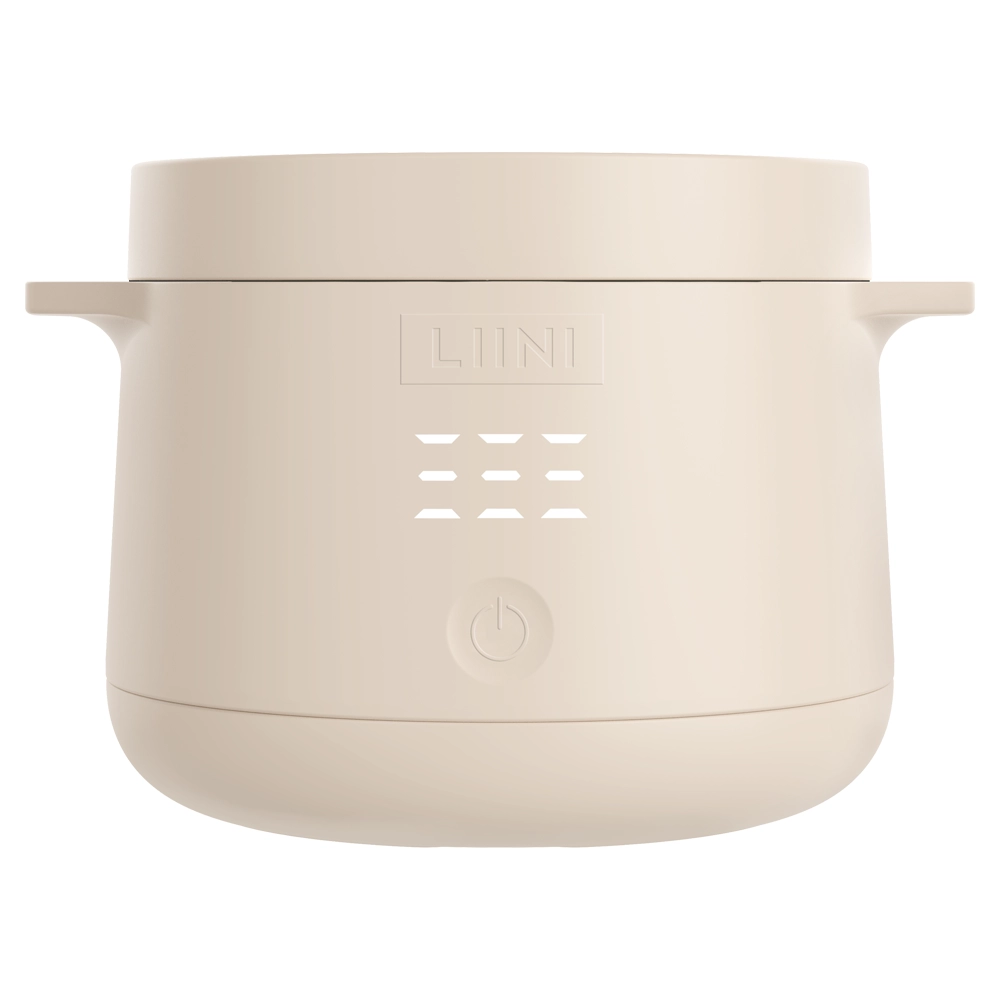 Baby food warmersfrom 6 months
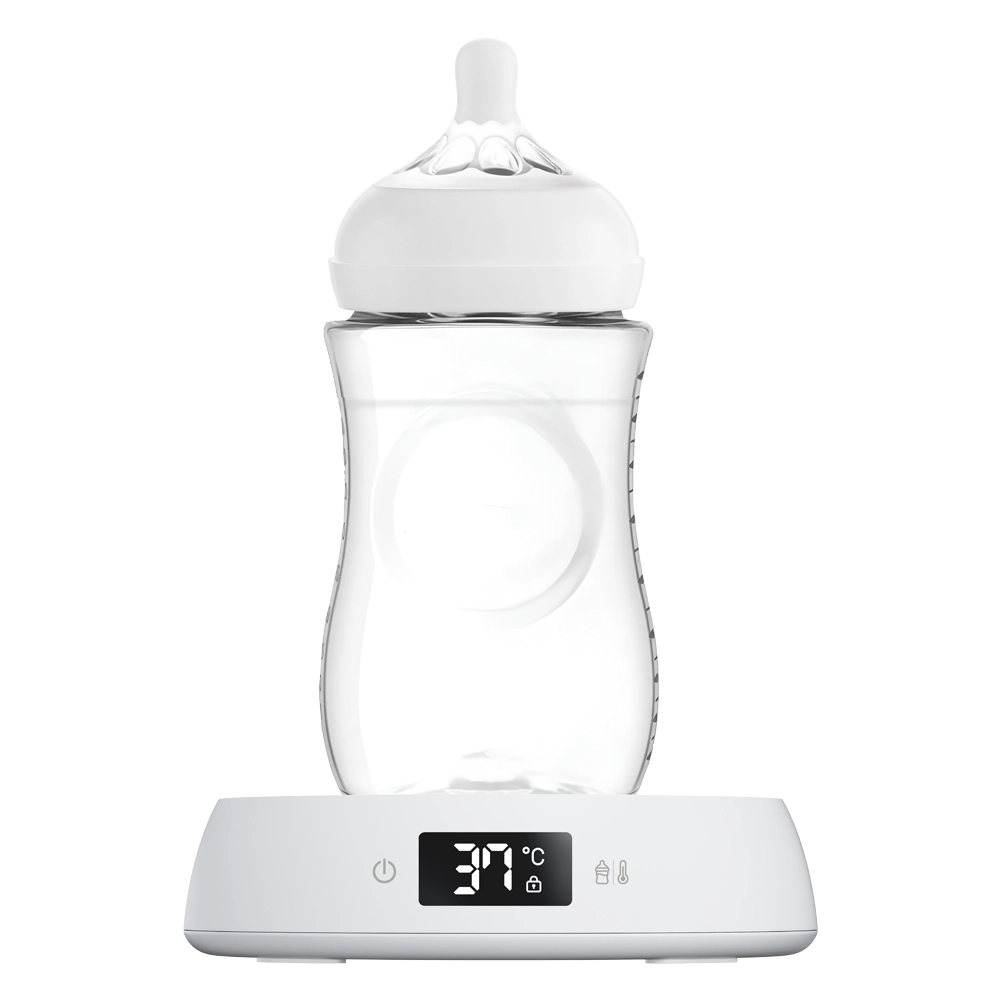 Night Stationfor the night




 Cleaning Wipes Monthly Pack
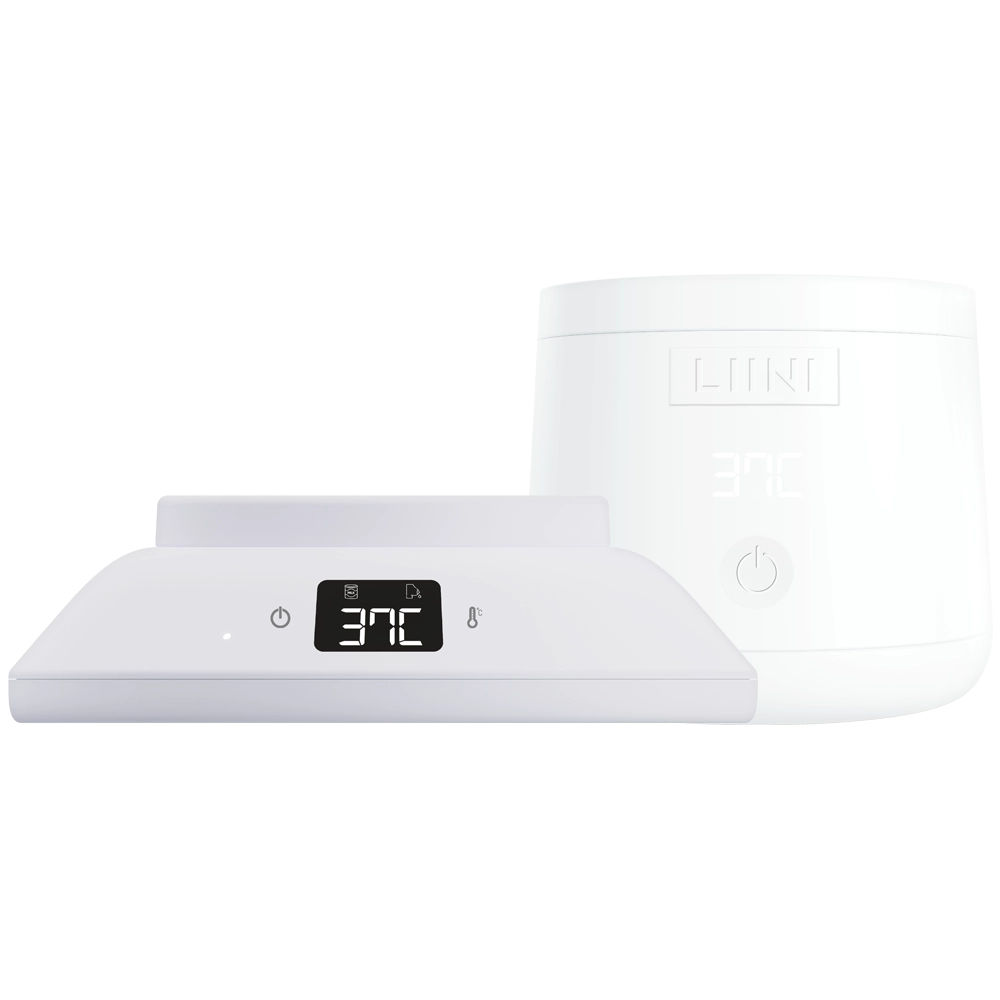 Home & 2Go Bundle
 Formula Dispenser Avent
 Baby Bottle Bundle










Making, Freezing, and Reheating Baby Food at Home
Making your own baby food is easy: two basic recipes with measurements, tips on hygiene and nitrates, and instructions for freezing, thawing, and reheating.
Contents
In short
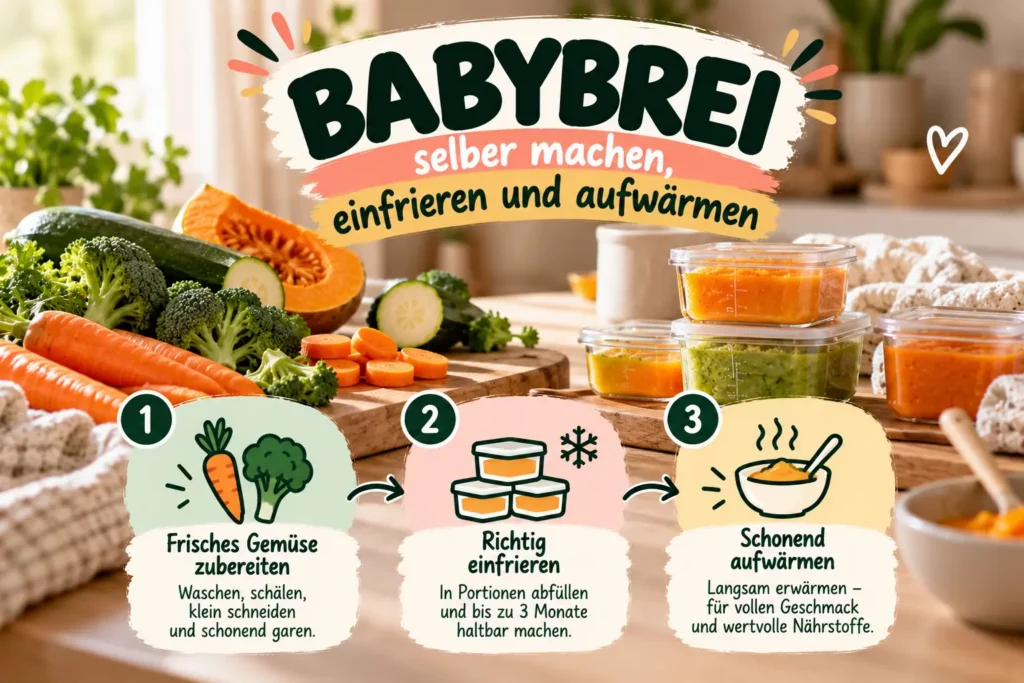
Making your own baby food is easy: Cook vegetables and potatoes in a little water until tender, puree them, and stir in a little canola oil—without any salt, sugar, or spices. If your baby doesn’t eat it right away, cool it down quickly. Homemade baby food will keep in the refrigerator for up to 24 hours, or up to 2 months if frozen at −18 °C. Reheat each portion only once, stir well, and check the temperature. Serve puree with spinach, beets, or fennel fresh—do not reheat it.
Making your own baby food is faster than many people think, and you know exactly what’s in it. With a pan, an immersion blender, and two basic recipes, you can make your first batches of baby food and stock up right away. Here you’ll find the recommended quantities from expert organizations, guidelines on hygiene and nitrate levels, and instructions for freezing, thawing, and reheating.
Before you get started: the basic rules
To find out when your baby is ready for baby food, read the guide “Solid Foods: When and How to Start.” The Federal Office for Food Safety and Veterinary Affairs (BLV) recommends starting solid foods no earlier than the beginning of the fifth month and no later than the beginning of the seventh month. There are a few simple rules to follow when preparing baby food:
- No salt, no sugar: According to the BLV, you should avoid using salt, bouillon, spices, sugar, honey, and other sweeteners when preparing food. According to the City of Zurich’s Parenting Counseling Service, salt, bouillon, sugar, and honey are unsuitable throughout a child’s first year of life.
- Add canola oil: The BLV recommends adding a little canola oil to the food once a day. It provides valuable fatty acids. Both cold-pressed and refined canola oil are suitable.
- Start simple: For the first few spoonfuls, one vegetable and potatoes are enough. Add other ingredients gradually.
- Take advantage of variety: According to the BLV, when cooking at home, you can use many different types of vegetables and fruits.
Does your baby prefer to feed themselves rather than be fed? The ” Baby-Led Weaning” guide explains how to introduce solid foods without using baby food.
Baby Food Recipes: Two Basic Recipes
Vegetable, Potato, and Meat Puree
The first meal is usually a vegetable puree at lunchtime. At first, vegetables with potatoes are enough; later, a little meat is added. Swiss and German expert organizations recommend slightly different amounts. Both are guidelines for a single serving—your baby will let you know how much they’re eating.
| Ingredient | Switzerland (BLV) | Germany (Gesund ins Leben) |
|---|---|---|
| Vegetables, e.g., carrots, pumpkin, zucchini | 100 g | 100 g |
| Potatoes | 50 g | 50 g |
| Lean meat | 10 g | 30 g, including fish |
| Fruit juice or fruit puree | Not specified | 1½ tbsp |
| Canola oil | 1–2 tsp | 1 tbsp |
- Wash Your Hands: Wash your hands thoroughly with soap before cooking, and also after handling raw meat.
- Prep: Wash the vegetables and potatoes, peel them, and cut them into small pieces. Cut the meat into small pieces as well.
- Cook: Cook everything together in a little water for about 10 minutes until tender, without salt, spices, or bouillon. The meat must be cooked all the way through.
- Puree: Puree everything until smooth. If the puree is too thick, add a little water.
- Stir in the oil: Stir in the canola oil only at the very end.
- Cool it quickly. Any food your baby doesn’t eat right away should be cooled immediately and placed in the refrigerator or freezer.
Variations: According to the BLV, you can replace the meat with the same amount of boneless fish, such as salmon, or with a small amount of egg. For a vegetarian porridge, use whole-grain cereal flakes—such as oat or millet flakes—instead of meat. Then add a little more fruit juice or fruit puree: According to Gesund ins Leben, this improves the absorption of iron from grains and vegetables. Milk does not belong in this porridge; it inhibits iron absorption.
Cereal-Fruit Porridge
The cereal-fruit porridge is served a little later, often in the afternoon. It contains no milk.
- Ingredients: 90 ml water, 20 g cereal flakes or semolina, 100 g fruit, and 1 tsp canola oil. That’s what “Gesund ins Leben” recommends. The BLV specifies 50 to 100 ml water, 10 to 20 g whole-grain flakes or semolina, and about 100 g fruit.
- Preparation: Stir the cereal flakes into cold water and the semolina into boiling water. Let everything simmer for a few minutes, stirring constantly. Then stir in the grated or pureed fruit and the oil.
You can find more ideas, such as pumpkin rice or bananas with oatmeal, in the recipes from Cooking with LIINI.
Hygiene and Nitrates: What to Keep in Mind When Cooking
Cleanliness is especially important when making baby food. These habits will help:
- Clean utensils: According to the German Federal Institute for Public Health (BIÖG), you should clean your immersion blender, bowls, and spoons in the dishwasher at 65 °C or with hot water and dish soap.
- Cook thoroughly: Heat meat, poultry, fish, and eggs so that their core reaches 70 °C for at least 2 minutes. This is recommended by the Austrian program “Eating Right from the Start.”
- Don’t keep food warm for too long: According to the same program, keep hot dishes above 65 °C or cool them down quickly, preferably in several shallow dishes.
- Your own tasting spoon: Don’t lick the baby spoon. That way, according to BIÖG, you won’t pass on cavity-causing bacteria to your child.
Attention
Vegetables high in nitrate, such as fennel, kohlrabi, beets, spinach, and Swiss chard, can be added to porridge from time to time. According to the BLV, however, serve such porridges immediately after cooking; do not keep them warm or reheat them. Otherwise, nitrates can turn into nitrites, which are harmful to health. According to the BLV, nitrate-rich vegetables are less of a concern starting at 7 months of age. If your child has a bacterial gastrointestinal infection, the German Federal Institute for Risk Assessment (BfR) recommends avoiding spinach.
That’s why it’s best to cook baby food with these vegetables fresh, rather than making it in advance.
Freezing Baby Food: How to Build a Supply
Freezing saves time: You cook a larger batch once and have baby food ready for several days. According to the BLV, BIÖG, and “Eating Right from the Start,” homemade baby food lasts up to 2 months at −18 °C.
- Cool quickly: Cool the puree as quickly as possible right after blending. According to BIÖG, freeze it immediately afterward to prevent germs from multiplying.
- Portioning: Pour the puree into small freezer cups or an ice cube tray. The Irish Health Service Executive (HSE) recommends using ice cube trays for small portions.
- Cover and label: Cover the container tightly and write the contents and date on it using a waterproof marker.
- Freezing: Place the puree in the freezer at −18 °C or colder. Use the oldest portions first.
Tip
Using cubes gives you flexibility in portion sizes and lets you combine different varieties, such as carrot and potato cubes.
If you’ve cooked baby food from frozen vegetables, you can refreeze it according to “Eating Right from the Start.” Cooking creates a new food product. It’s also important here to cool it quickly and freeze it in portions.
Thawing and Reheating Puree
When it comes to thawing and reheating, there’s one rule above all: each portion should only be thawed and reheated once.
- Thaw just before feeding: The BIÖG recommends thawing frozen baby food quickly—in a water bath or in the microwave—immediately before feeding. This minimizes vitamin loss.
- Stir well and check: Stir the baby food thoroughly before feeding and use your own spoon to check that it’s comfortably warm and not hot.
- Reheat only once: According to BIÖG, do not reheat thawed baby food a second time, and do not refreeze it.
- Throw away leftovers: Anything your baby hasn’t eaten should be thrown away. Saliva gets into the baby food through the spoon. The British National Health Service (NHS) advises never to save or reheat uneaten portions.
Attention
The microwave heats food unevenly. According to BIÖG, your baby could get scalded in particularly hot spots. So be sure to stir the baby food thoroughly and check the temperature before feeding your baby.
Jars or homemade?
Both are fine. The BLV lists advantages for both options.
| Criterion | Homemade | Jars |
|---|---|---|
| Ingredients | You choose them—no sugar, salt, or artificial flavors | Composition regulated by law; check the ingredient list |
| Variety | Many types of vegetables and fruits are possible | Selection depends on availability |
| Effort | Cook, portion, freeze | None |
| Shelf life | Refrigerator: up to 24 hours; freezer: up to 2 months | unopened, according to package |
| On the go | Keep it cool during transport | According to the BLV, practical for on the go |
According to the BLV, when shopping, avoid products with added salt, sugar, cocoa, and flavorings. If you don’t feed your baby directly from the jar but instead pour a portion into a bowl, you can store the rest in a sealed container in the refrigerator. The BIÖG recommends one to three days, depending on the product, while the City of Zurich’s Parenting Counseling Service advises using up an opened jar within 48 hours.
Homemade baby food on the go
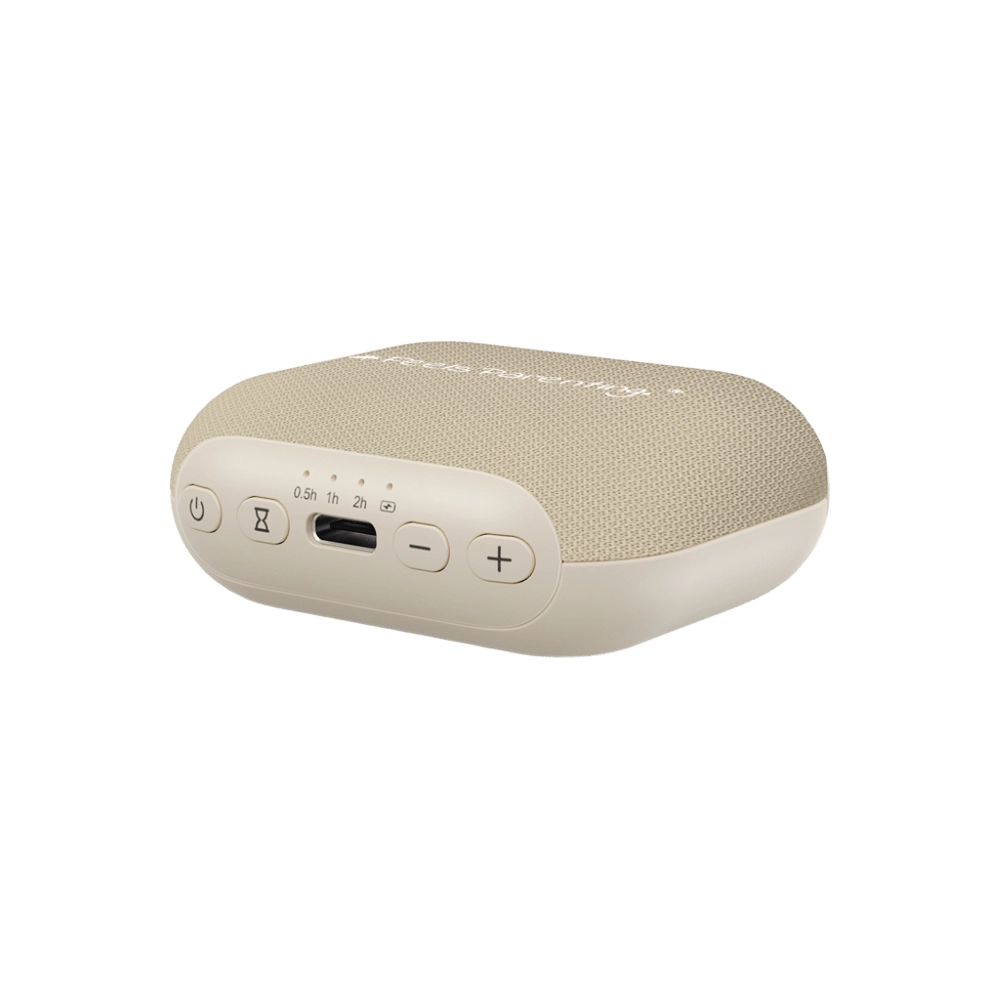
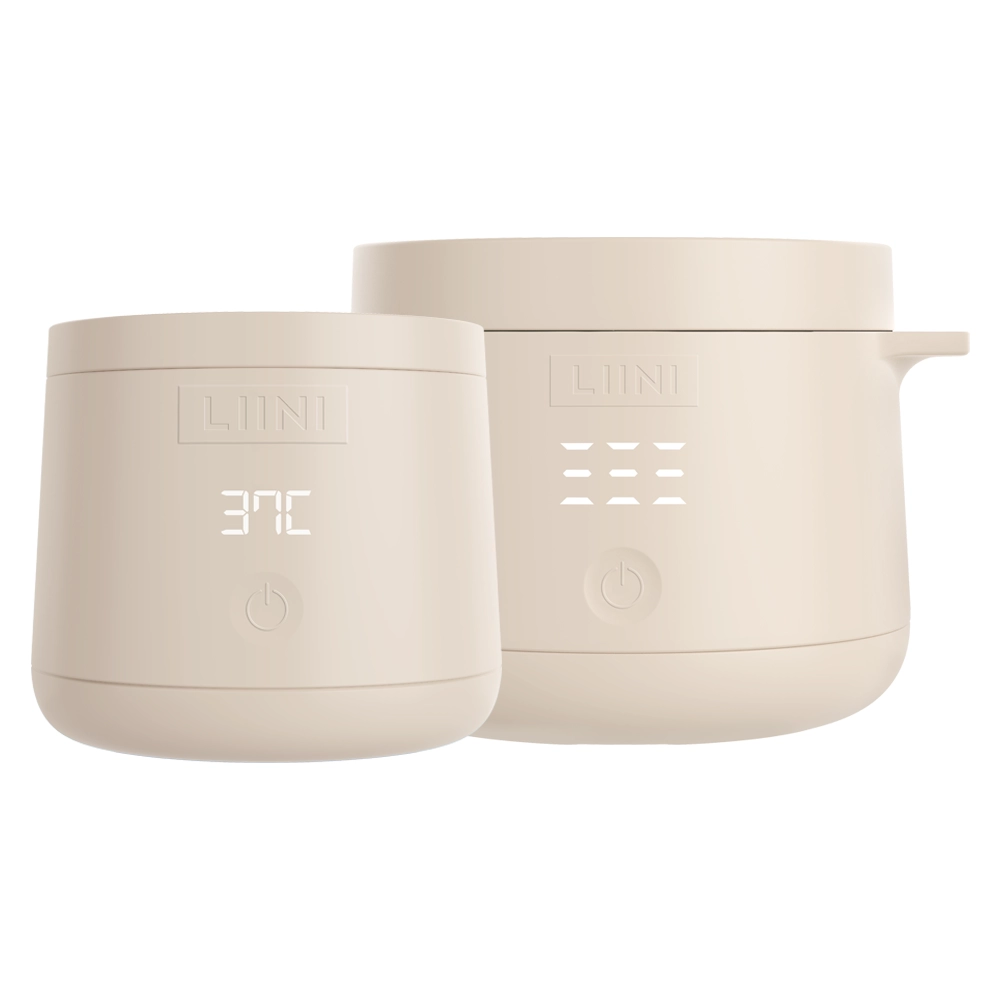
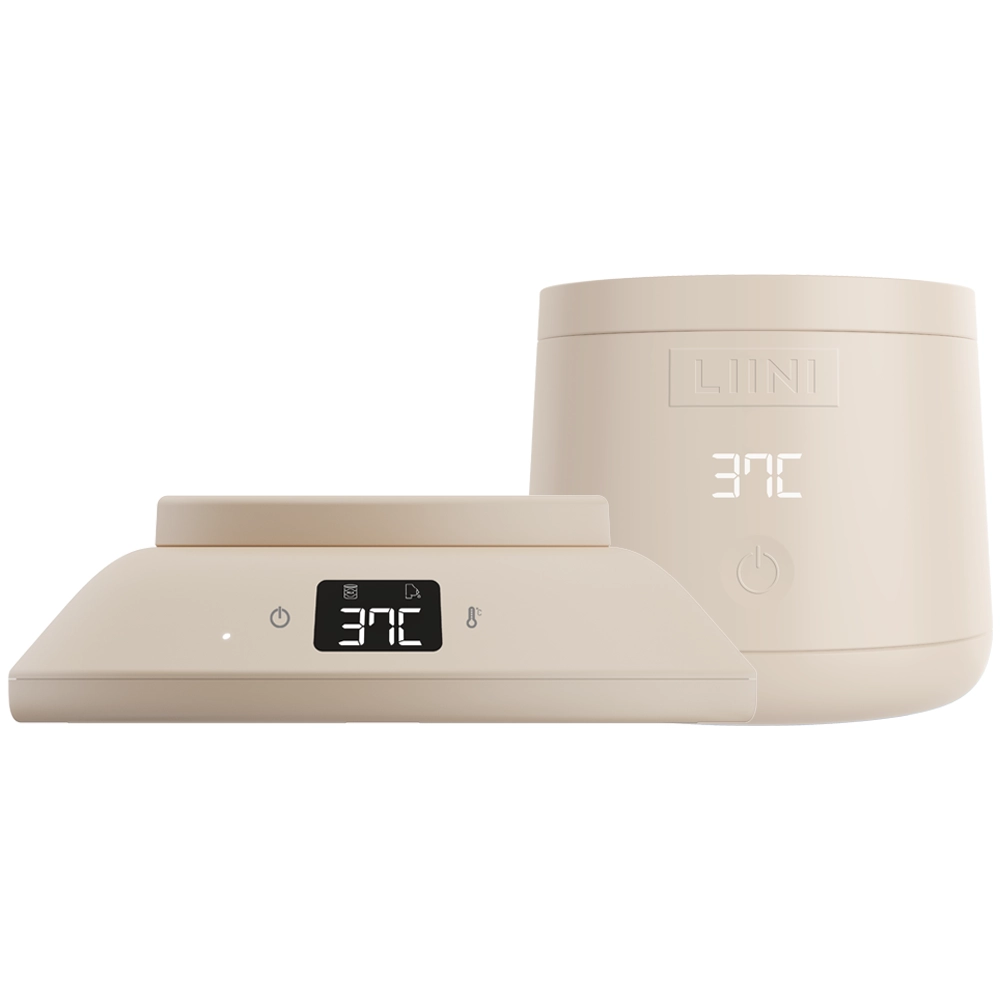
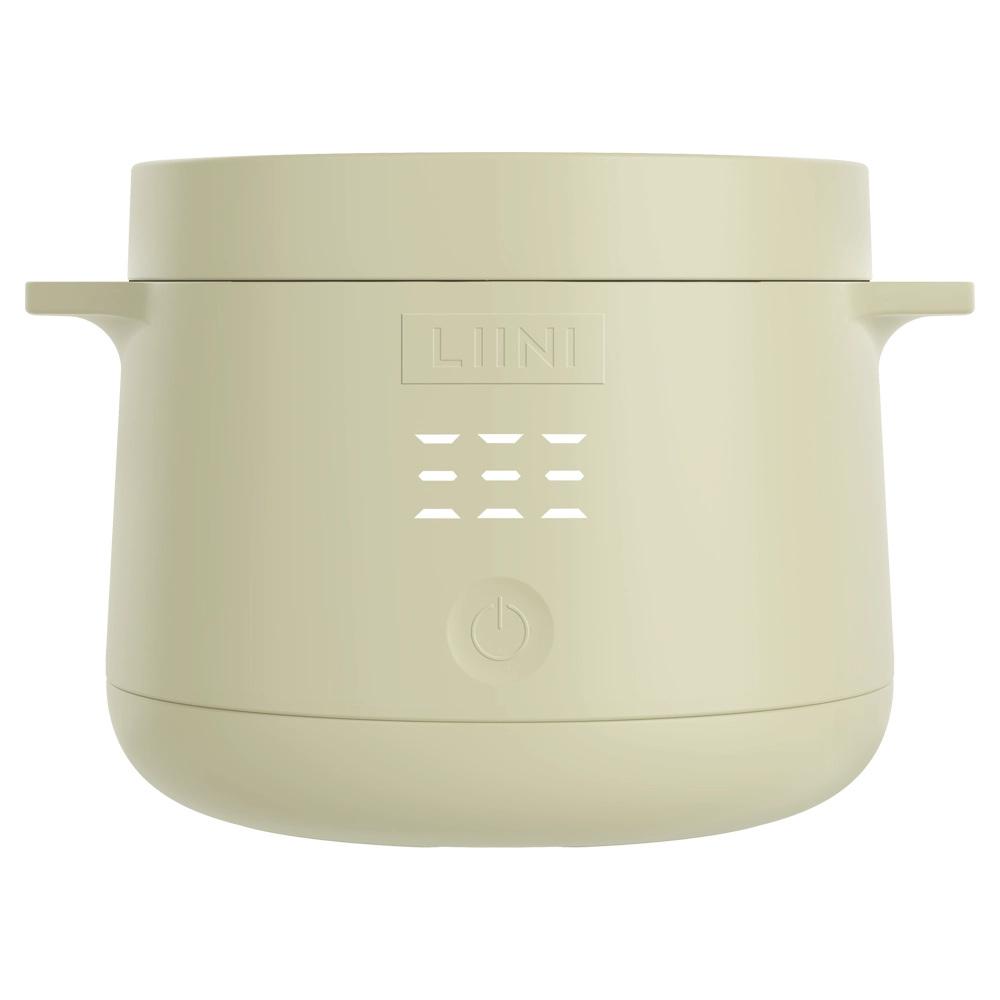
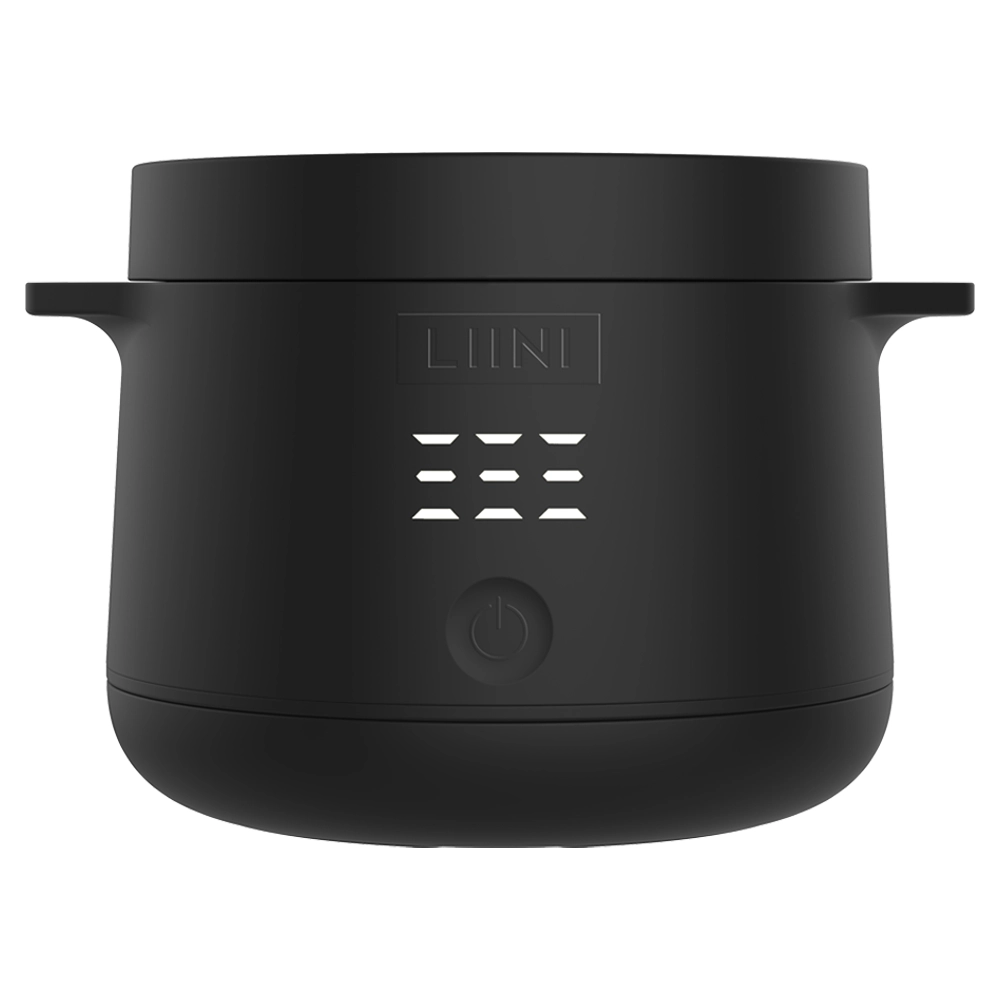
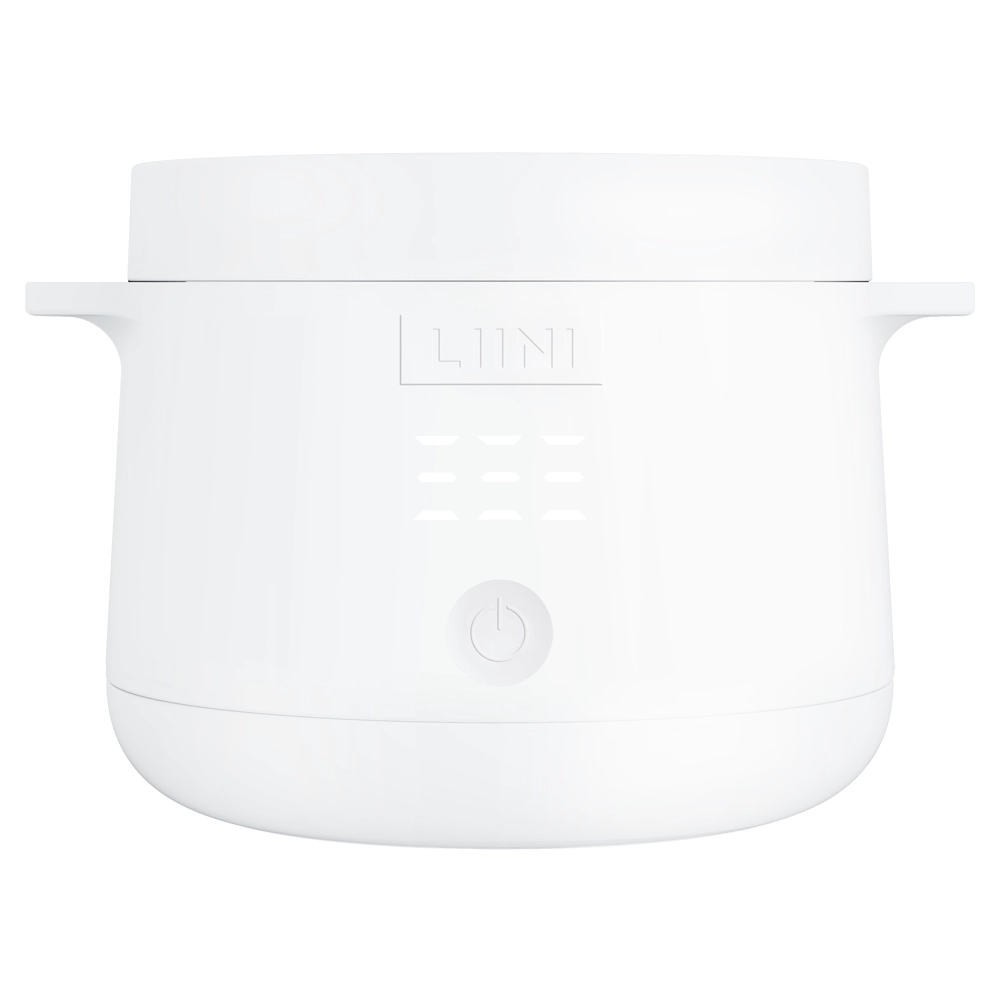
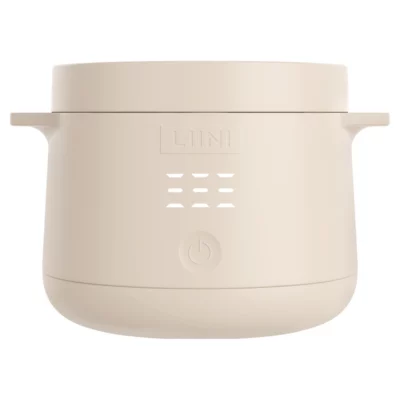
For outings, pack freshly cooked, quickly cooled baby food in an airtight container with an ice pack in a cooler bag. Once you’re there, reheat it once. If you don’t have a microwave, you can use a battery-powered baby food warmer: The LIINI® 2.0 PRO baby food warmer holds up to 350 g, requires no temperature adjustment, and, according to LIINI, is suitable for both store-bought and homemade baby food. You can find all models under “Baby Food Warmers.”

For more ideas and hygiene tips for your outing, see the guide “Keeping Baby Food Warm on the Go.” The diaper bag checklist shows what else to pack.
Frequently Asked Questions
How long does homemade baby food last in the refrigerator?
Up to 24 hours, according to the BLV. The German BIÖG specifies about 24 hours. Place the baby food in the coldest part of the refrigerator—usually above the vegetable drawer—and reheat it only once.
How long can I freeze baby food?
Up to 2 months at −18 °C or colder, according to the BLV, BIÖG, and “Eating Right from the Start.” Label each portion with the date and use the oldest ones first.
Can I reheat baby food twice?
No. You should only reheat each serving once. Throw away any leftovers your baby didn’t eat. Don’t refreeze thawed baby food.
Can I thaw baby food overnight in the refrigerator?
The BIÖG advises against this and recommends thawing the baby food in a water bath or in the microwave just before feeding to minimize vitamin loss. British and Irish health authorities, on the other hand, consider thawing in the refrigerator a safe method. The important thing with both methods is to eat the thawed baby food soon after thawing and to reheat it only once.
Can I add spinach to baby food?
Every now and then, yes. Spinach, like fennel, kohlrabi, beets, and Swiss chard, is a nitrate-rich vegetable. According to the BLV, serve these purees fresh; do not keep them warm or reheat them. Starting at 7 months, nitrate-rich vegetables are less of a concern.
Does my baby need salt or spices in their porridge?
No. According to the BLV, you should avoid using salt, bouillon, spices, sugar, and honey when preparing food; the City of Zurich’s Parenting Advisory Service states that salt, bouillon, sugar, and honey are unsuitable during the first year of life. The German BIÖG recommends that babies who eat only homemade baby food take an additional iodine supplement. Discuss with your pediatrician or the Parenting Advisory Service whether this is necessary for your baby.
Sources
- Nutrition for Infants and Toddlers: Complementary Feeding, Federal Office for Food Safety and Veterinary Affairs (BLV)
- Nutrition for Infants and Toddlers: Recipes, Federal Office for Food Safety and Veterinary Affairs (BLV)
- Nutrition for Infants and Toddlers: Frequently Asked Questions, Federal Office for Food Safety and Veterinary Affairs (BLV)
- Complementary Feeding (Fact Sheet), City of Zurich, Parenting Counseling Service
- Vegetable-Potato-Meat Puree, “Gesund ins Leben” Network
- Vegetable-Potato-Grain Porridge, “Gesund ins Leben” Network
- Cereal-Fruit Porridge, “Gesund ins Leben” Network
- Recipes for Baby Food, kindergesundheit-info.de, Federal Institute for Public Health (BIÖG)
- Hygiene Guidelines for Baby Food, kindergesundheit-info.de, Federal Institute for Public Health (BIÖG)
- Questions and Answers About Nitrates and Nitrites in Food, Federal Institute for Risk Assessment (BfR)
- What should you pay special attention to when making your own baby food?, Eating Right from the Start (AGES, Ministry of Social Affairs, Umbrella Organization of Social Insurance Carriers)
- Can baby food made from frozen vegetables be refrozen?, Eating Right from the Start
- How long can I keep freshly cooked baby food warm?, Eating Right from the Start
- Storing and Reheating Food, NHS Best Start in Life
- Baby Foods: Homemade, HSE Health Service Executive, Ireland


